
Bathroom Mould Prevention Treatment Singapore

Updated: Aug 18

Bathroom mould is a fact of life in Singapore, but it doesn't have to be a permanent one. Understanding why the problem is worse here than almost anywhere else, and building habits that work against the climate rather than hoping the mould stays away, is what actually makes the difference. This guide is written for HDB flat owners who are tired of scrubbing grout and watching the black spots come back within weeks.
Why Singapore's Climate Makes Bathroom Mould Worse
How Tropical Humidity Feeds Mould Growth
Singapore's relative humidity regularly sits between 70% and 90% throughout the year, with little seasonal variation. That matters because mould growth depends on two things: moisture and time. In temperate countries, a dry winter or a low-humidity summer gives bathroom surfaces a natural recovery window. In Singapore, that window never opens.
Mould spores are always present in the air. At high humidity, they germinate fast, on grout, silicone sealant, paint, and any surface that holds a trace of moisture. Because Singapore has no dry season, there is no point in the year when mould simply stops growing on its own.
HDB Bathroom Design and the Ventilation Problem
Most HDB bathrooms were designed with a small internal exhaust fan and no operable window. That setup works well enough in theory, but fans age, ducts get blocked, and residents often leave the exhaust off to save electricity.
In a typical HDB bathroom with no operable window and a standard low-wattage exhaust fan, moisture from a 10-minute shower can linger on wall tiles for well over an hour. That's long enough to sustain active mould colonisation on grout lines. The humidity doesn't just sit in the air; it condenses on cooler tile and ceiling surfaces and feeds growth at the contact point.
Generic mould advice from temperate climates, "open a window," "let it air out in summer", doesn't translate here. The solution has to be built around year-round moisture control, not seasonal relief.
Bathroom Mould Prevention Tips for HDB Flats
Ventilation: Your First Line of Defence
Building professionals working in Southeast Asia consistently note that ventilation rate, not cleaning frequency, is the single most controllable factor homeowners have over mould in enclosed bathrooms. A well-sized exhaust fan running during and for at least 20 minutes after every shower makes a measurable difference.
For mould prevention tips HDB residents can act on immediately:
Run your exhaust fan during every shower, not just when it feels steamy.
Keep it running for 20 minutes after you're done. A timer switch makes this effortless.
Leave the bathroom door ajar after showering to allow cross-ventilation into the flat.
Check the fan grille quarterly. Dust buildup cuts airflow significantly.
Daily and Weekly Habits That Keep Mould Away
Ventilation does the heavy lifting, but surface habits matter too. Here's how to prevent bathroom mould through simple routine:
Daily:
Use a squeegee on tiles and the shower screen after every use. Removing standing water from surfaces takes away mould's immediate food source.
Hang wet towels outside the bathroom, not inside. Wet fabric in an enclosed space adds humidity.
Weekly:
Wipe down grout lines and silicone sealant with a diluted bleach solution or a purpose-made bathroom cleaner.
Check corners, ceiling edges, and the base of the toilet cistern, these are the first places mould appears and the easiest to treat early.
These habits won't eliminate mould entirely in Singapore's climate, but they slow the cycle significantly and extend the life of any professional treatment you invest in.
Choosing the Right Mould Resistant Solutions for Singapore Bathrooms
Not all paints, sealants, and grouts are equal in a tropical environment. Product choice matters more here than in cooler climates because moisture pressure is constant.
Anti-mould paint formulated for tropical climates typically includes a fungicide additive that inhibits spore germination for several years, but only if the surface was properly cleaned, primed, and dried before application. Skipping prep work cuts that lifespan significantly. If your painter doesn't mention surface prep, that's a warning sign.
Mould-resistant grout sealants form a hydrophobic barrier on porous grout lines, which are the most common mould anchor point in bathrooms. Reapply every one to two years, especially around the shower area.
Moisture-resistant caulk should replace standard silicone wherever tiles meet the floor or bath edge. Standard silicone breaks down faster under constant moisture and is harder to keep clean. A specialist-grade caulk costs more but doesn't need replacing as often.
If mould keeps appearing on your ceiling, the issue may go beyond surface products, ceiling paint peeling and water damage in HDB flats often share the same moisture root cause and benefit from the same fix-the-source approach.
Bathroom Ventilation Singapore: Getting the Airflow Right
If your current exhaust fan is more than five years old or produces only a faint hum, it's likely undersized or partially blocked. Bathroom ventilation in Singapore is a functional requirement, not an optional extra.
Sizing your fan correctly: Exhaust fans are rated in cubic metres per hour (CMH). A rough guide for HDB bathrooms is to aim for at least 8–10 complete air changes per hour. Measure your bathroom's volume (length × width × height in metres), multiply by 8, and match that to a fan's CMH rating.
Check the ductwork: A fan can't do its job if the duct run is blocked, kinked, or terminated in a void rather than the external air shaft. A contractor can inspect this in under 30 minutes.
Windowless bathrooms: For fully enclosed bathrooms with no airflow path other than the door, consider a small standalone dehumidifier positioned in or near the bathroom. Running it for a few hours after peak shower times reduces ambient humidity quickly. This is especially useful for households with multiple residents sharing one bathroom.
Under HDB regulations, modifications to exhaust ducts that connect to shared risers require proper reinstatement to the original specification, always use a licensed contractor if the ductwork needs repair or rerouting.
Maintenance Schedule After a Professional Mould Treatment
Professional mould treatment removes existing mould from surfaces, but it does not change your bathroom's humidity level or airflow. At Leng Painter, a large share of the mould ceiling jobs we attend in HDB toilets are recurrences, the original surface was cleaned but the underlying moisture pathway from the unit above was never sealed. Treating the surface without fixing the source is why mould keeps coming back.
Here's a realistic maintenance schedule to follow after any professional treatment.
What to Do in the First Month
Week 1–2: Avoid soaking freshly treated surfaces. Light use is fine; prolonged wet exposure delays full curing of any anti-mould coating applied.
Week 2–4: Re-establish daily squeegee and surface-wipe habits. The treatment is not a reason to ease up, it's a head start.
End of month 1: Check grout lines, ceiling corners, and silicone edges for any early regrowth. A small number of spores may survive and test the coating; catch them early with a targeted cleaner.
This first month also tells you whether the moisture source has been properly addressed. If you see staining reappear within four weeks, the problem is almost certainly structural, not a surface issue.
Ongoing Checks Every Three to Six Months
Mould treatment maintenance is not a one-off event. Build these checks into a regular schedule:
Every 3 months: Inspect grout and sealant for cracks or gaps. These are entry points for moisture and should be resealed promptly.
Every 3 months: Clean exhaust fan grille and verify airflow is strong. A weak fan is the fastest route back to a mould problem.
Every 6 months: Check the bathroom ceiling for any discolouration, especially near the edges and above the shower. Early staining is far cheaper to treat than established mould.
Annually: Consider a fresh coat of anti-mould paint on the ceiling, this is where moisture accumulates most in a Singapore bathroom and where treatment typically wears first.
Keeping a simple photo log of problem areas is useful. If a spot looks different in your six-month check, you have a baseline to compare against.
When DIY Is Not Enough: Signs You Need a Specialist
Surface mould on tiles and grout can often be managed with over-the-counter products if you catch it early and keep up with maintenance. But some situations need a contractor.
Call a specialist if you see:
Mould that comes back within two to three weeks of a thorough clean, this points to an unresolved moisture source, not a cleaning failure.
Mould appearing on the concrete soffit or ceiling plaster, particularly with a brown or yellow water stain, this usually means a leak from the unit above.
Tiles that are hollow when tapped, or grout that is crumbling, water is getting in behind the surface layer. Check whether toilet floor tile repair in HDB bathrooms applies to your situation.
Visible cracks in walls or ceilings near the mould zone, water travels through hairline and structural cracks in HDB concrete before it becomes visible as a stain.
Paint that blisters or flakes repeatedly in the same spot even after repainting.
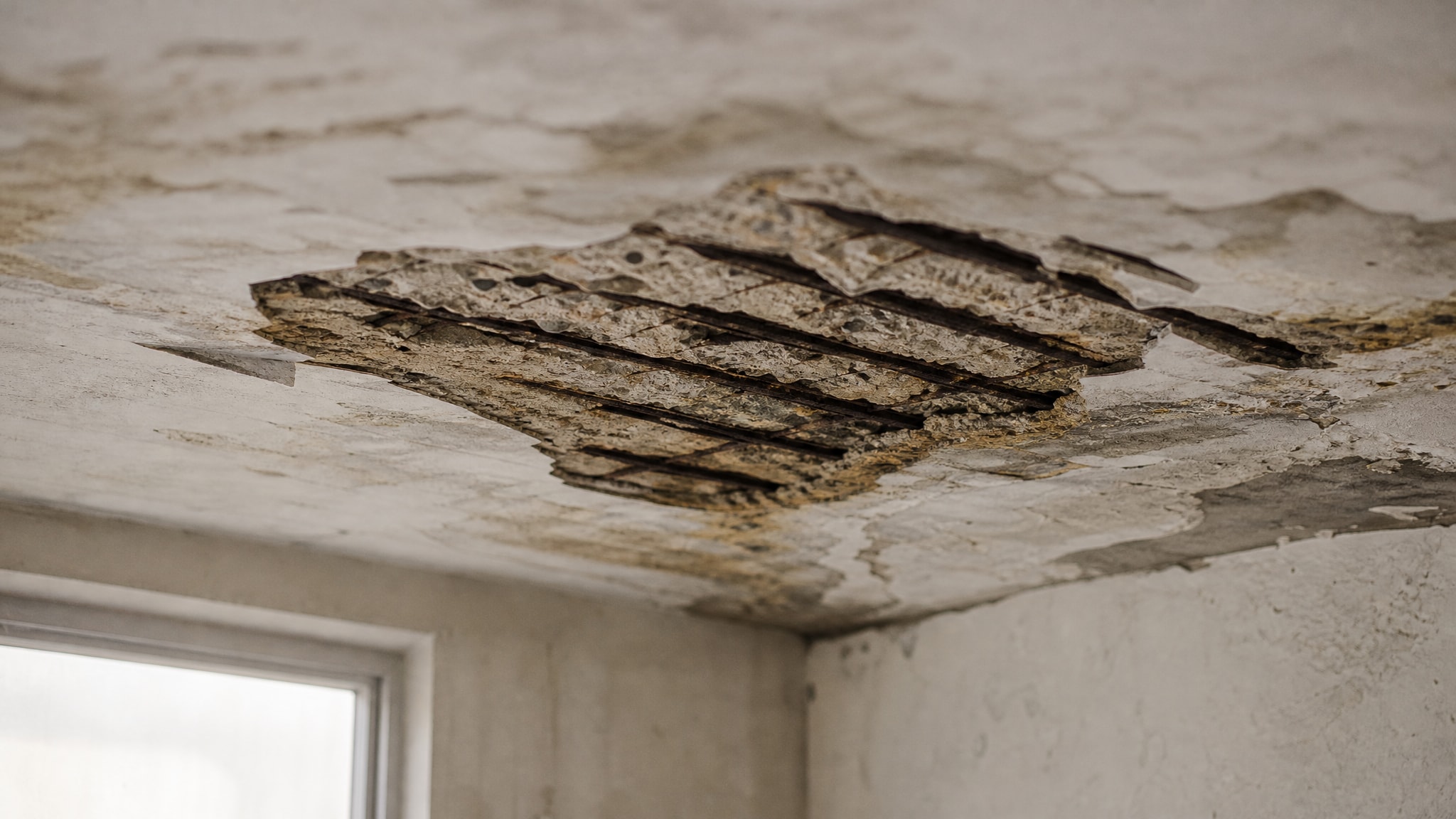
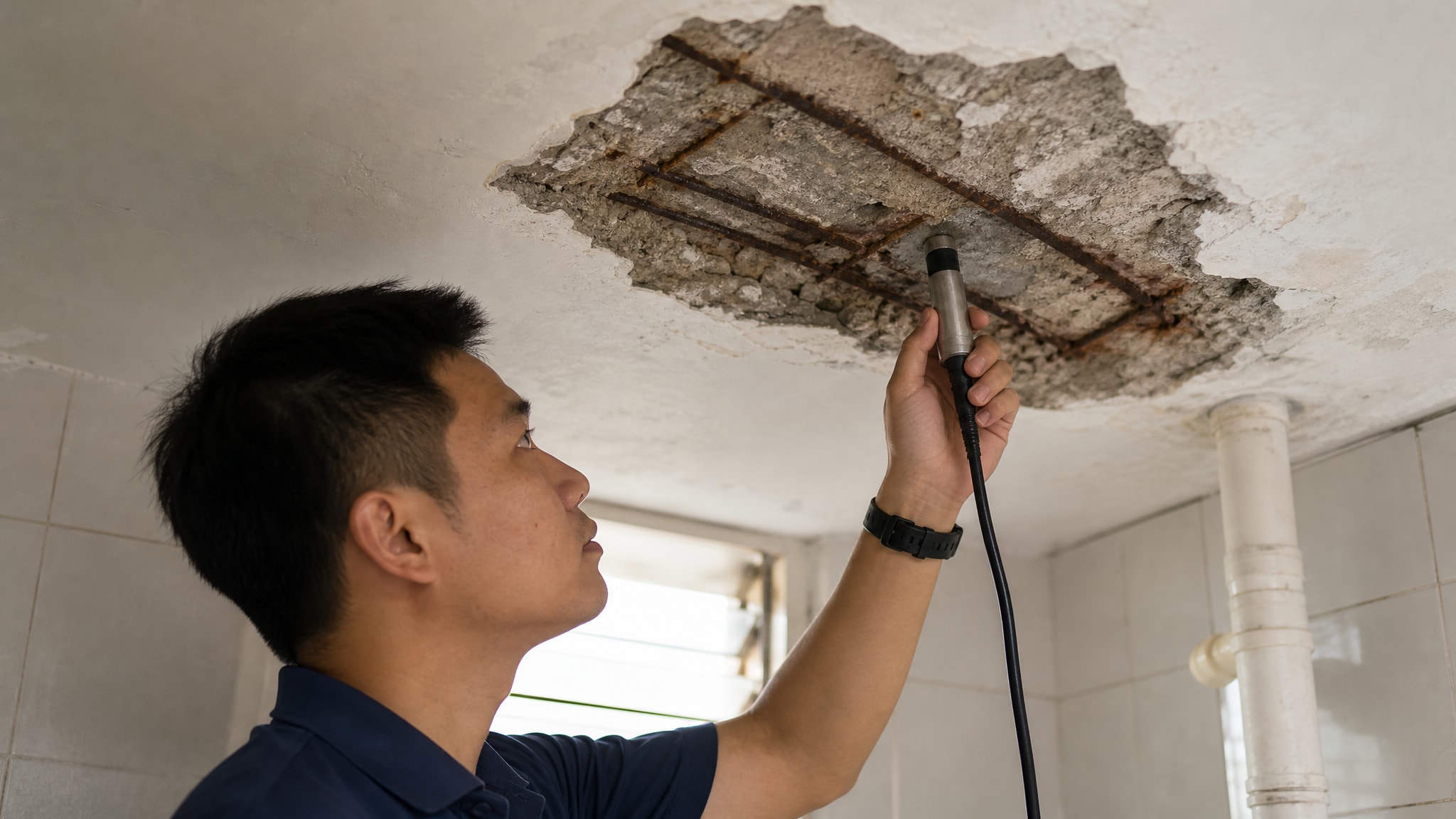
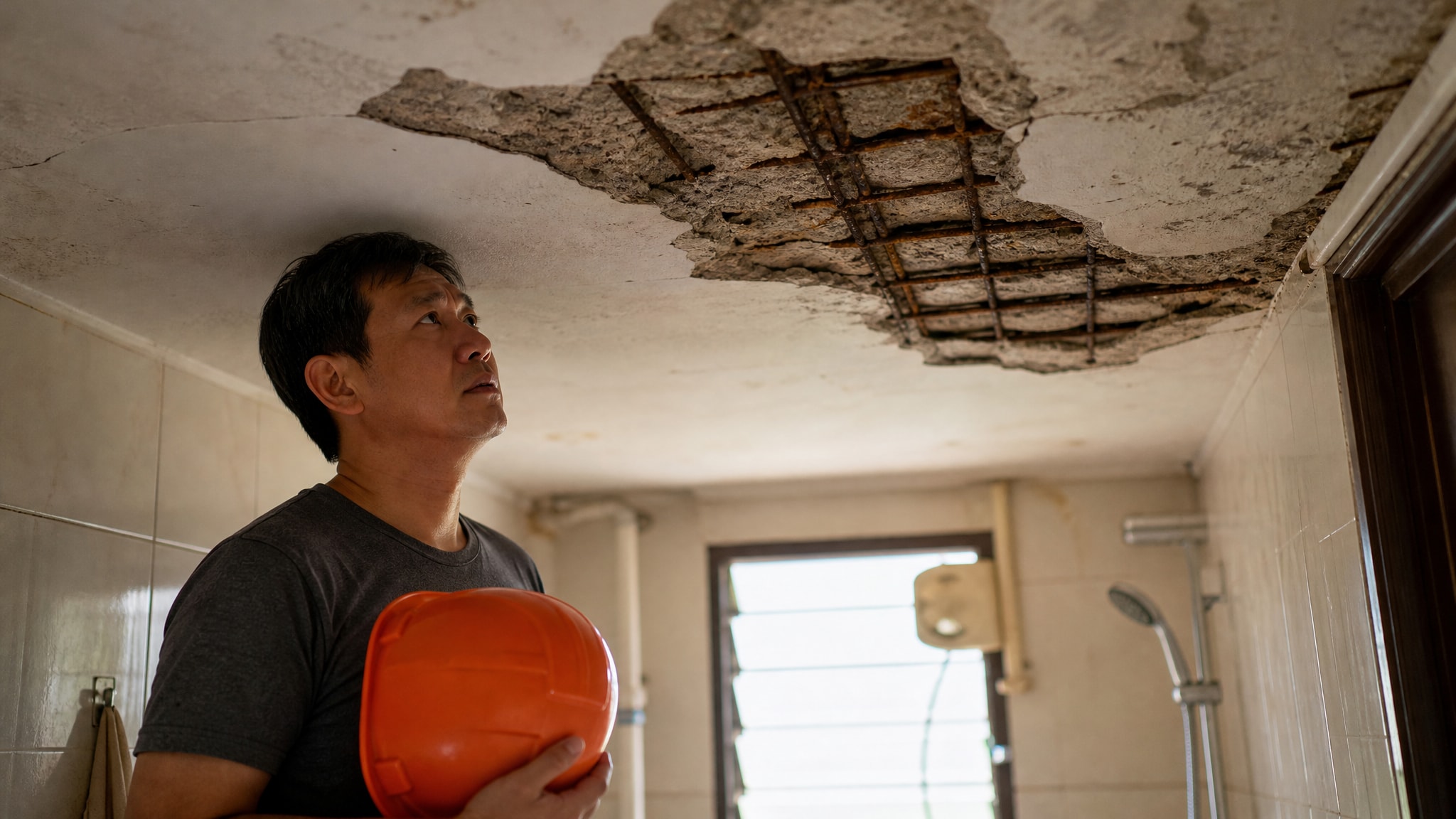
In more serious cases, prolonged water ingress can make spalling concrete repair in Singapore HDB flats necessary, concrete that has absorbed moisture over years begins to delaminate, and mould is often the first visible sign.
If any of these warning signs sound familiar, surface-level bathroom mould prevention products alone won't solve the problem. The source needs to be found and sealed before any surface treatment will hold.
Get a proper assessment. Leng Painter works on HDB bathrooms across Singapore and can identify whether your mould problem is a maintenance issue you can manage or a structural issue that needs professional intervention. Contact us for a no-obligation site visit, and get the problem fixed properly this time.
Comments