
Toilet Floor Retiling Contractor Singapore: What to Ask

Peeling paint, damp spots, or loose tiles in your HDB toilet are rarely just surface problems. They usually mean the waterproofing has failed, or the concrete underneath the screed is spalling, problems new tiles alone won't fix. A general renovator focused on looks might give you a fresh floor for a few months, but if the substrate isn't dealt with, the damage comes back. A dedicated toilet floor retiling contractor in Singapore treats the job as structural restoration first, tiling second. That order matters, because how long your bathroom floor lasts depends entirely on what happens before the first tile goes down.
Why Toilet Floor Retiling Requires More Than Just Tiles
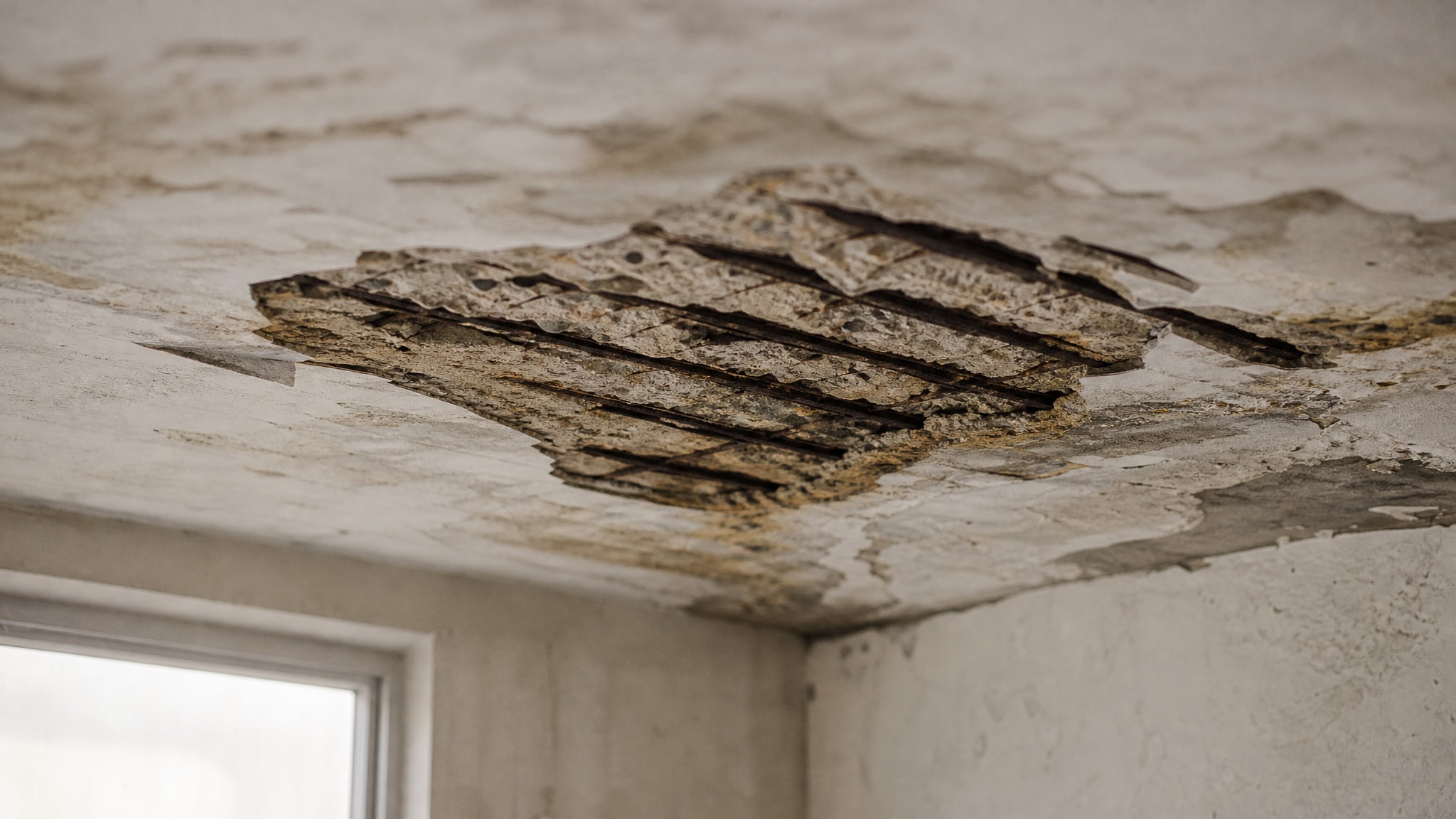
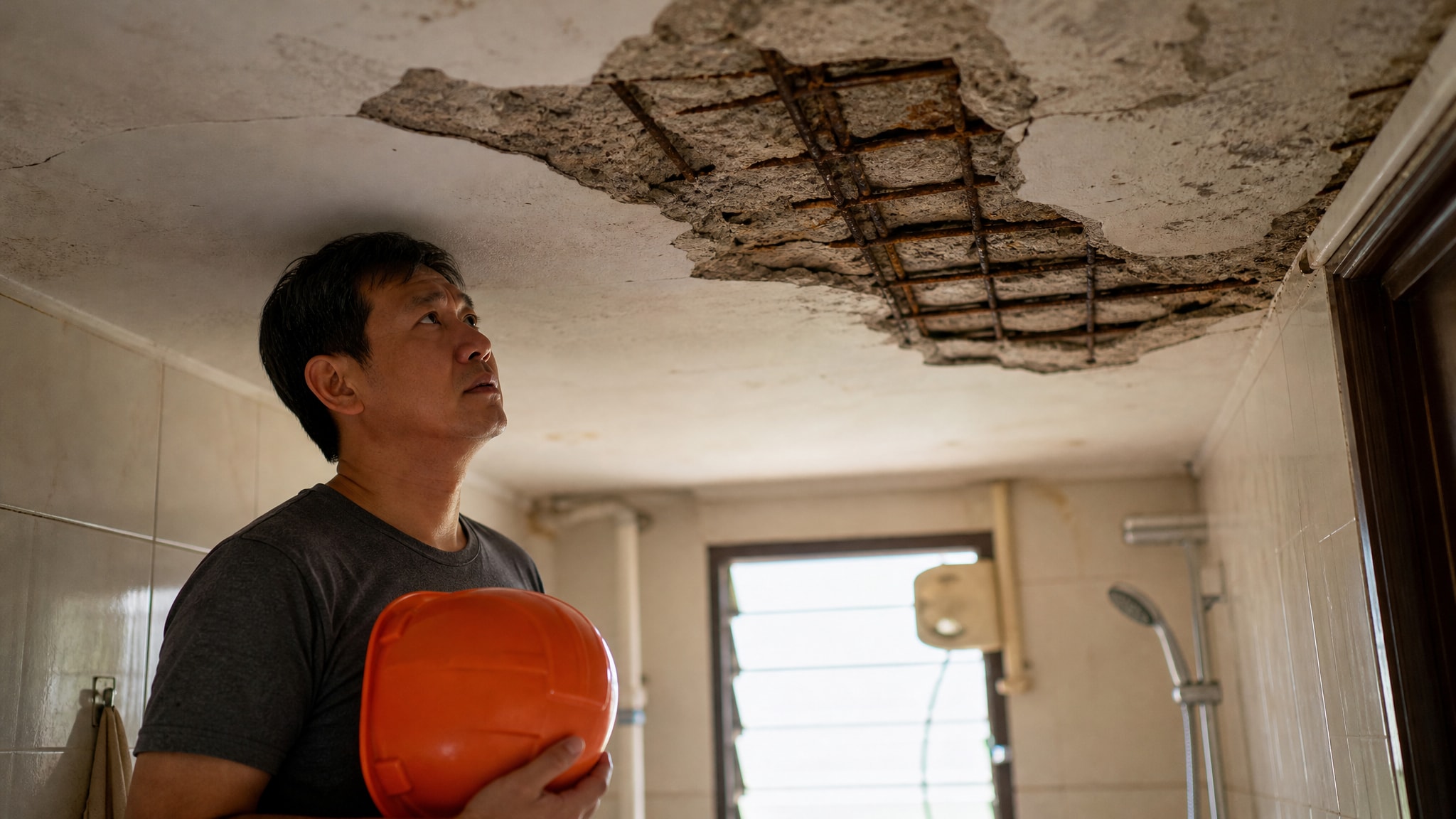
Many homeowners assume new tiles solve the problem. In older HDB flats, the stains and cracks you see are usually a symptom of deeper fatigue underneath. The concrete slab under your toilet floor takes constant moisture and heat cycling. Over time the waterproofing membrane breaks down and the steel bars inside the concrete start to corrode. As they corrode they expand, and that pushes against the surrounding concrete from within. The result is spalling, cracking, or a hollow sound when you tap the floor, signs the substrate has failed structurally, not just cosmetically. You need someone who understands that tiling over a compromised base is really just covering up an active leak or structural defect that will only get worse.
Waterproofing before retiling is the single step that separates a lasting repair from a temporary cover-up. Standard renovation packages often include nothing more than a basic surface coating. Proper HDB toilet restoration means hacking away the damaged screed to expose the original slab, so it can be treated and re-waterproofed properly. That involves a torch-on membrane or a liquid-applied system that ties into the floor trap and wall junctions, forming one continuous watertight basin so water can't migrate into the ceiling below or into adjacent walls. Skipping that to save on the re-tile toilet floor cost might look economical at first, but it usually means a callback within a year, once water seepage shows up in the unit downstairs or mould comes back behind the new grout lines.
Spalling concrete repair takes specific know-how that general handymen or interior designers rarely have. Treating a spalled area means removing all the loose material, cleaning the exposed reinforcement, applying anti-corrosion treatment to the steel, and rebuilding the section with non-shrink repair mortar before any waterproofing goes on. If a contractor doesn't mention these steps during the assessment, they're probably planning to patch over the damage with standard cement, which doesn't have the bonding strength or durability wet areas need. A real toilet floor tiling specialist diagnoses the extent of the concrete damage first and builds the necessary structural repairs into the quote, so the new tiles sit on a foundation that lasts decades, not seasons.
This approach isn't for homeowners after a purely cosmetic upgrade on a tight budget, with no interest in what's underneath.
Essential Questions for Your Toilet Floor Tiling Specialist
Finding a reliable HDB toilet tiling contractor means going beyond portfolio photos and asking questions that reveal how they actually work. Most contractors can show you a beautiful finished bathroom. Fewer can tell you how they prepared the substrate, or which waterproofing system they used to stop the next leak. Your vetting should focus on one thing: how well they diagnose and fix the layers you can't see, because that hidden work decides whether your money protects your home or just delays the next repair.
Substrate Diagnosis and Repair Protocols
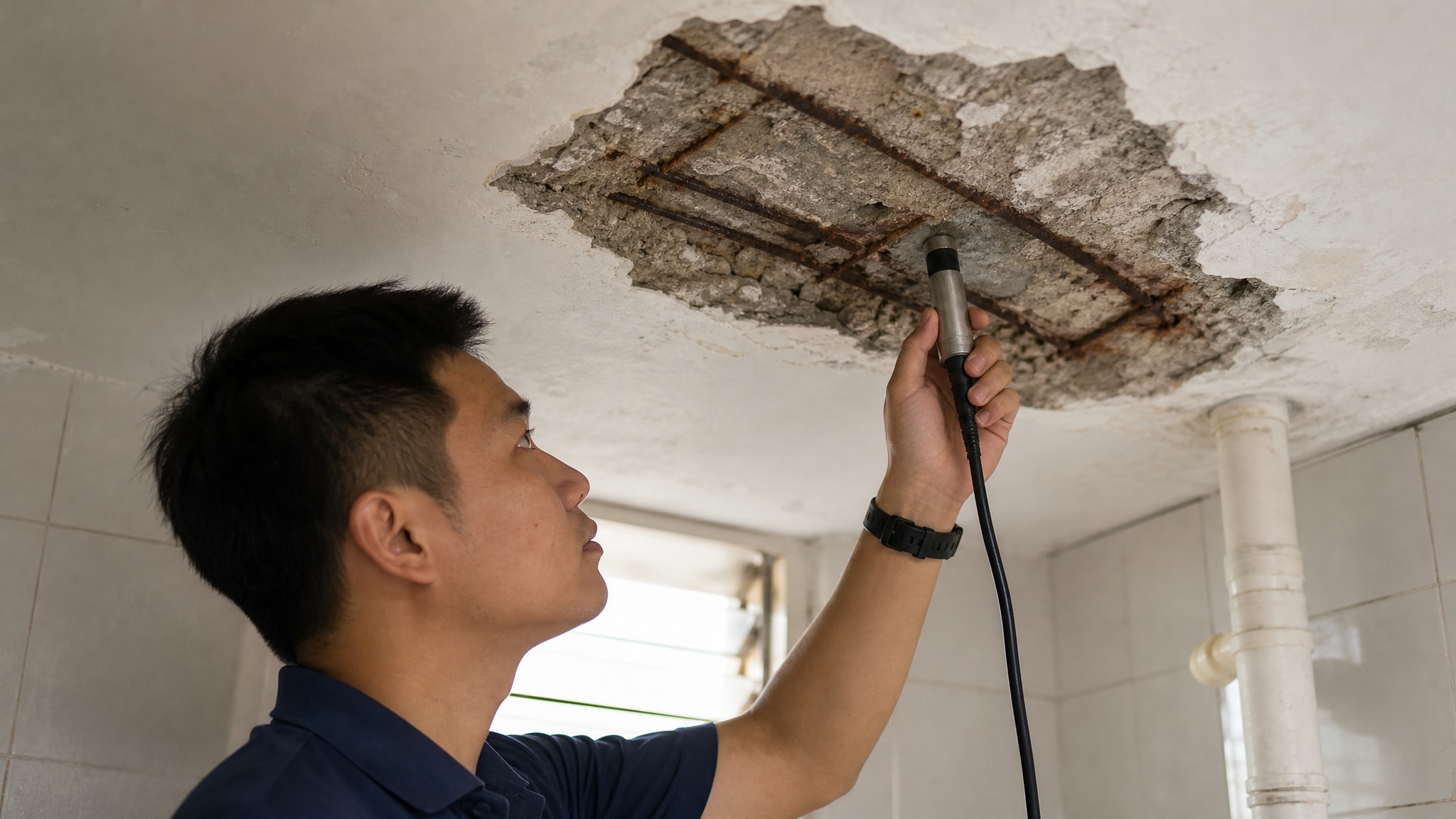
Ask how they assess the existing concrete slab, and what they actually do when they find spalling or delamination once hacking starts. A competent contractor describes a real inspection process: tapping tests to find hollow spots, moisture readings to catch trapped water, and a check for rust stains or efflorescence that point to active corrosion. They should be able to say whether they use polymer-modified repair mortars for structural patches, and how they get old and new concrete to bond properly, rather than offering a vague promise to "fix the floor" before tiling. If they can't lay out a clear protocol for substrate repair, they don't have the specialised knowledge HDB toilet restoration needs, and they're likely working as a general tiler, not a concrete repair specialist.
Diagnosis should be a billable, essential phase of the project, not an afterthought.
Waterproofing System Specifications and Warranty
Ask for the exact product name and manufacturer of the waterproofing membrane, along with the warranty terms covering both materials and workmanship. "Waterproofing coating" or "cementitious layer" tells you nothing useful, because different systems perform very differently, go on differently, and last different lengths of time in wet conditions. A reputable toilet tile contractor near you should show documentation that the membrane is approved for HDB toilet use, and explain how they handle the details where most failures start: floor trap collars, pipe penetrations, wall-to-floor junctions. The warranty should explicitly cover water leakage from membrane failure for a minimum period, so you have recourse if the system fails early because of bad installation or a faulty material, not normal wear.
HDB Compliance and Renovation Permits
Check that the contractor holds valid HDB renovation permits and knows the rules governing toilet floor works in public housing estates. HDB has strict limits on hacking depth, waterproofing standards, and plumbing changes, all meant to protect the building's structure and stop leaks between units. Non-compliant work can trigger enforcement action, or cause problems when you try to sell the flat later. Your contractor should handle permit applications and inspections without being asked, not leave you to navigate the paperwork or suggest shortcuts that skip regulatory checks. That compliance also covers using approved materials and methods that meet HDB's technical specifications, so your toilet floor retiling contractor in Singapore works within the rules that protect every resident in the block.
Cost Breakdown and Scope Transparency
Ask for a detailed quotation that splits substrate repair, waterproofing, tiling, and waste disposal into separate line items, not one lump sum. Understanding the re-tile toilet floor cost breakdown tells you whether the contractor has properly accounted for the prep work, or is planning to cut corners to look cheap. A clear breakdown also lets you make real decisions if budget is tight, like prioritising structural repairs and waterproofing now and leaving the premium tile choice for later. A contractor who won't itemise the quote, or brushes off your questions, may be hiding gaps in the scope, or planning to hit you with variation orders once the work starts, turning an affordable repair into an open-ended bill.
Comments