

Water Damaged Ceiling Solutions That Last

A brown ceiling stain usually looks minor right up until the paint starts bubbling, the tape joint opens, or a soft patch gives way under light pressure. That is why water damaged ceiling solutions should never start with paint alone. If the leak source is still active, any cosmetic fix will fail fast, and the damage underneath will keep spreading.
For most homeowners and property managers, the real goal is simple: stop the leak, make the ceiling safe again, and restore a clean finish without wasting money on repairs that do not hold. That takes more than patching. It takes proper diagnosis, drying, repair work, surface preparation, and repainting in the right order.
What causes ceiling water damage in the first place?
Ceiling damage usually comes from one of a few common sources. In houses, it is often a roof leak, failed flashing, clogged gutters, or damaged underlayment. In apartments, condos, and shop units, the problem is more often a plumbing leak from an upper floor, an overflowing bathroom, a faulty drain line, or condensation from AC systems and ducting.
The stain you see is not always directly below the leak source. Water can travel along joists, framing, conduit, and ceiling boards before it finally shows up. That is why guessing can get expensive. If you patch the visible area but miss the source, the stain comes back and the repair cost doubles.
Older ceilings can also hide layered problems. A water event may have weakened joint compound, loosened plaster, triggered mold growth, and stained several paint coats. On textured ceilings, the finish itself may start separating from the base layer. In these cases, the repair scope depends on how far the moisture spread, not just on the size of the visible mark.
Water damaged ceiling solutions depend on the damage level
Not every damaged ceiling needs full replacement. Some only need localized repair and repainting. Others need sections cut out and rebuilt. The difference comes down to material condition.
If the ceiling is dry, solid, and only lightly stained, the fix may be limited to stain treatment, patching minor defects, skim coating where needed, sanding, sealing, and repainting. This is the best-case scenario and usually the most affordable.
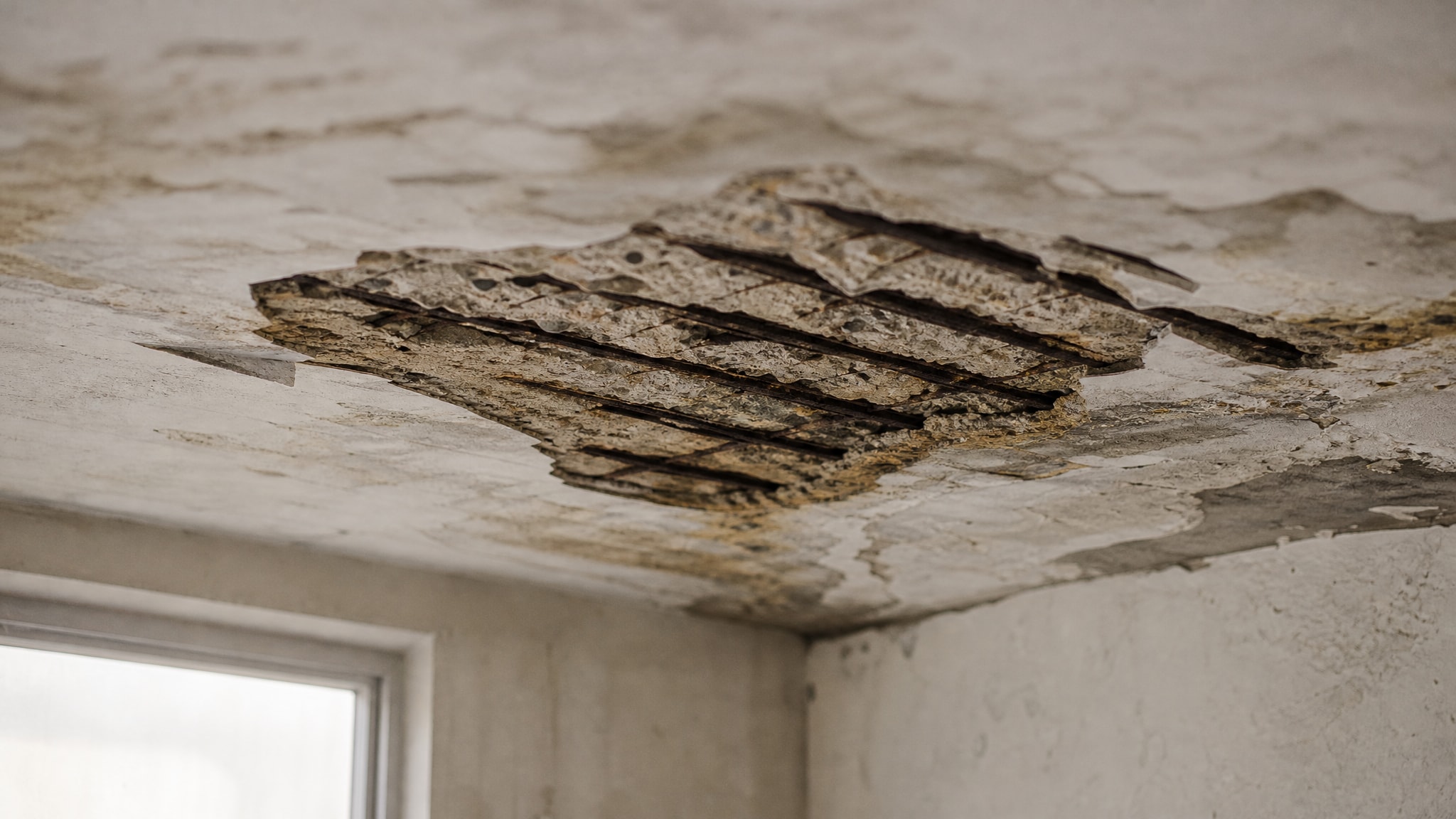
If the drywall is soft, swollen, sagging, or crumbling, replacement is usually the right call. Wet gypsum loses strength. Even if it dries later, the board may stay warped or brittle. Trying to save badly damaged drywall often leads to cracking joints and uneven finishes.
For plaster ceilings, repair can be a little more selective. Some areas can be cut back, re-plastered, and blended if the surrounding material is still bonded well. But if the plaster has detached from the lath or has widespread hollow spots, larger replacement or reworking may make more sense.
If mold is present, especially after a long-term leak, the repair needs to address both contamination and moisture control. Painting over mold is not a solution. The affected material may need treatment, removal, or both, depending on severity.
The right repair process matters more than the patch itself
A proper ceiling repair follows a clear sequence. First, the leak must be stopped. There is no point repairing the ceiling while water is still entering from above. That may involve roof repair, plumbing correction, waterproofing work, or AC drainage adjustment.
Next comes drying. Even when the surface feels dry, trapped moisture can remain inside the board, insulation, or plaster layers. If repairs are done too early, bubbling paint, mold odor, and patch failure are common. In some cases, a contractor may recommend opening the damaged area to speed drying and inspect hidden framing.
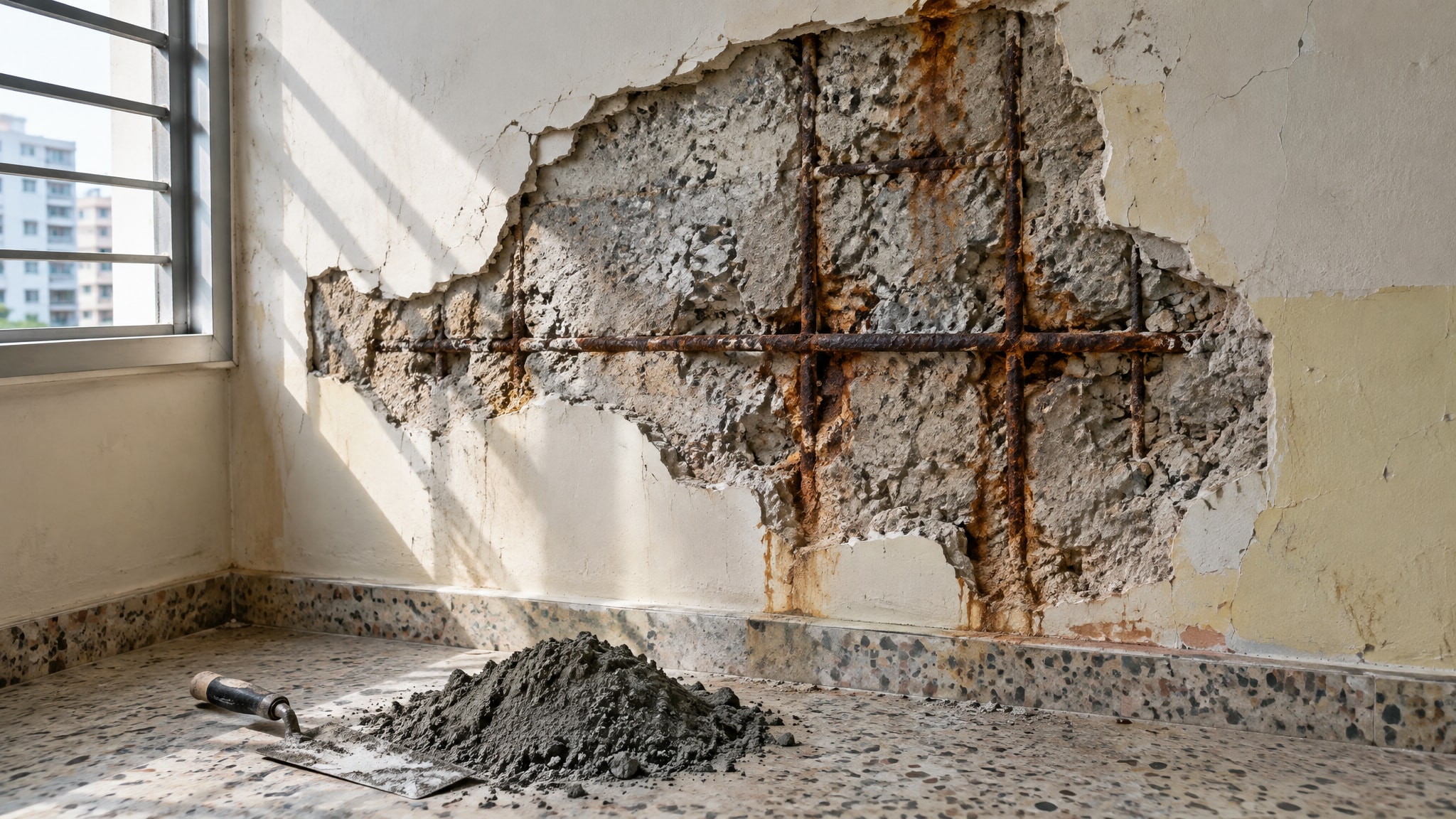
After the area is dry, damaged material is removed or stabilized. Loose paint, soft drywall, flaking plaster, and weak joint compound all have to go. This is where a lot of cheap repair jobs cut corners. If the surface is not cleaned back to sound material, the new finish will never be truly solid.
Then comes rebuilding the surface. That can include drywall patching, re-taping joints, plaster repair, skim coating, and sanding to level the area. For visible ceilings, especially in living rooms, bedrooms, offices, and retail spaces, this stage makes the difference between a repair that blends in and one that stays obvious from every angle.
The final stage is sealing and painting. Water stains need a proper stain-blocking sealer before topcoat paint goes on. Otherwise, yellow or brown marks can bleed through fresh paint. Color matching also matters. In many cases, painting the entire ceiling gives the cleanest and most even result.
When spot repair works and when full ceiling work is smarter
Spot repair makes sense when the damage is isolated and the rest of the ceiling is in good condition. A small plumbing leak over one area, for example, can often be handled without replacing the whole ceiling. This keeps cost down and shortens the repair timeline.
But there are cases where broader work is the better value. If the ceiling already has multiple patches, widespread stains, old peeling paint, or uneven texture, a larger skim coat and full repaint may save money over repeated small fixes. The final result also looks cleaner.
This is especially true in older units where one leak exposes weak finishing across a wider area. Once the damaged spot is opened, it becomes clear that surrounding sections are also loose, chalky, or cracked. In that case, doing only the minimum repair may leave the ceiling looking patched and inconsistent.
For shops and rental units, appearance matters too. Customers and tenants notice ceiling defects quickly. A neat, uniform finish can make a space feel maintained, while a visible patch sends the opposite message.
Cost depends on access, material, and finish quality
One reason people search for water damaged ceiling solutions is to understand repair cost before calling a contractor. Fair enough. But ceiling repair is one of those jobs where pricing can vary a lot based on what is hiding above the surface.
A simple stain-seal-and-paint job costs much less than removing wet drywall, repairing framing exposure, treating mold, re-plastering, and repainting the whole room. Ceiling height also matters. So does access. A repair in a standard bedroom is easier than one above staircases, built-ins, shop fittings, or fragile furnishings.
Finish quality affects price as well. A basic functional patch is one level. A smooth, well-blended repair with proper skim coating and paint matching takes more labor. For clients who care about a clean final look, the labor in sanding, feathering, and surface preparation is where the value really sits.
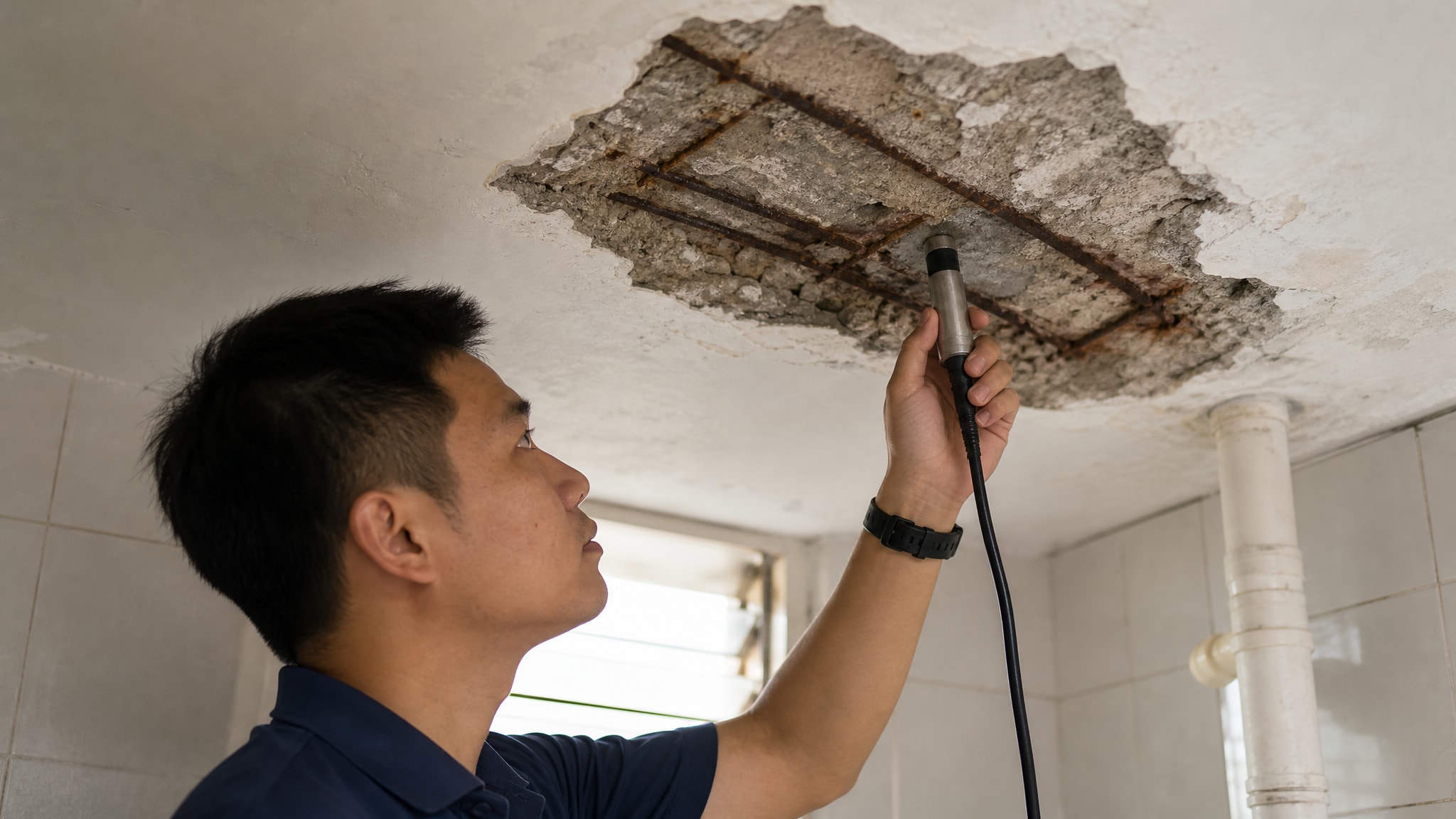
That is why clear site assessment matters. Honest contractors do not throw out a random number from one stain photo and promise everything will be fine. They inspect the ceiling condition, ask about the leak history, check the surrounding finish, and explain what is included in the repair scope.
Choosing a contractor for water damaged ceiling solutions
Ceiling leak repair is one of those jobs where coordination matters. You may need plumbing or waterproofing correction, then ceiling repair, then paint finishing. If different vendors handle each stage without a clear plan, delays and finger-pointing can happen fast.
It helps to work with a contractor who understands both repair and finishing. That means not just patching the hole, but preparing the full area properly so the paintwork holds and the ceiling looks even again. Surface preparation is not a side detail. It is the job.
Ask direct questions. Will they remove all loose material? Will they skim coat if needed? Are stain-blocking products included? Will the repair area be sanded smooth? Will the final paint blend with the surrounding ceiling, or do they recommend repainting the full section? Straight answers usually tell you a lot about the quality of the workmanship.
If the damage includes mold, sagging boards, or repeated leaking, do not delay. Those issues tend to spread, and the repair gets more expensive the longer it sits. A fast site visit and a clear quotation can save a lot of trouble later.
At Lengpainter, this kind of work is handled with the same practical approach clients want from any repair job: identify the cause, repair the damaged surface properly, prepare it well, and leave the ceiling clean and ready to last.
Don’t let a ceiling stain become a bigger renovation
A water-damaged ceiling rarely fixes itself, and covering it up usually creates a more expensive problem later. The smart move is to deal with the leak source first, then repair the ceiling with proper patching, plastering, skim coating, sealing, and painting based on the actual condition of the material.
If you act early, many ceiling repairs stay manageable. Wait too long, and what could have been a local fix can turn into replacement, mold treatment, and repainting the entire room. A good repair should not just hide the damage. It should give you back a dry, solid, clean-looking ceiling you do not have to worry about every time it rains.
Comments