

Why Does Ceiling Paint Peel?

A ceiling that starts flaking over your bed, sofa, or shop counter is not just an eyesore. If you're asking why does ceiling paint peel, the short answer is this - paint usually fails because something underneath it was not stable, dry, or properly prepared. In many homes and small commercial units, peeling ceiling paint is a warning sign of moisture, poor surface prep, old paint buildup, or the wrong coating used in the wrong area.
The mistake many people make is treating it as a simple repainting job. Scrape a bit, roll on a fresh coat, and hope for the best. That might make it look better for a few weeks, but if the actual problem is still there, the peeling comes back.
Why does ceiling paint peel in the first place?
In real jobs, peeling is rarely caused by one thing alone. Usually it is a combination of moisture, weak plaster, dirt on the surface, and paint applied over unstable layers.
The most common cause is water. A ceiling can absorb moisture from a roof leak, an upstairs bathroom, a plumbing pipe, air-conditioning condensation, or long-term humidity. Once water gets into the plaster or joint compound, paint loses its grip. Sometimes the damage looks small at first - a bubble, a hairline crack, a yellow stain - then suddenly a whole patch starts dropping.
Bad surface preparation is another big reason. If the old ceiling was dusty, chalky, greasy, moldy, or already flaking, new paint cannot bond well. The same goes for ceilings that were painted directly over without proper scraping, patching, sanding, sealer, or primer. Paint sticks best to a sound and clean surface. If the layer below is weak, the top coat fails with it.
Heat and steam also matter. In kitchens, bathrooms, and laundry areas, warm moisture rises and sits at ceiling level. Standard interior paint may not hold up well there, especially if ventilation is poor. Over time the paint softens, blisters, and starts to peel.
Then there is the issue of incompatible coatings. If oil-based paint was coated over with latex without proper prep, or if glossy paint was painted over without sanding, adhesion can be poor. This is common in older properties where nobody is fully sure what products were used over the years.
Signs the problem is deeper than paint
Some peeling is cosmetic. Some is a repair job hiding behind paint.
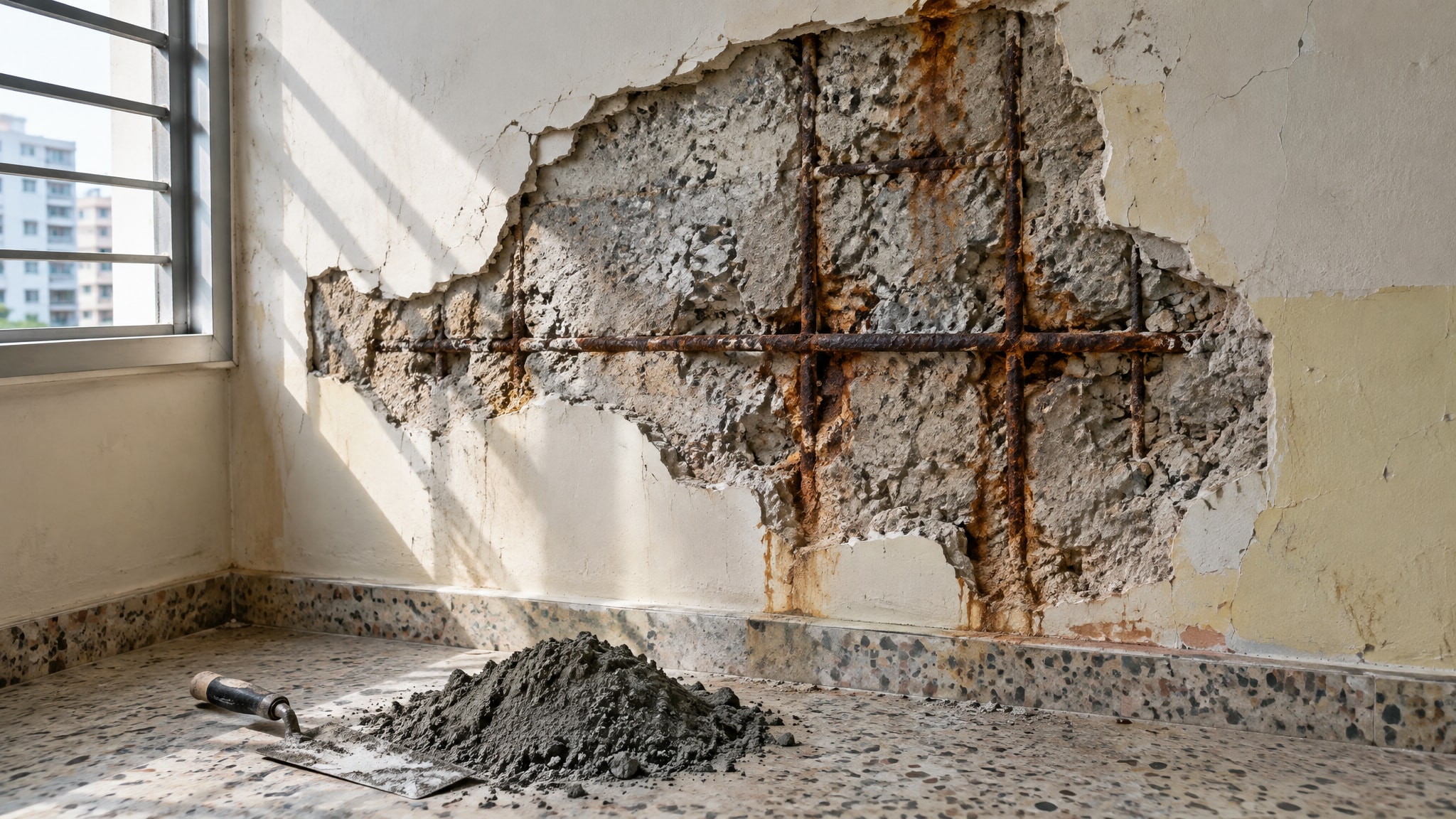
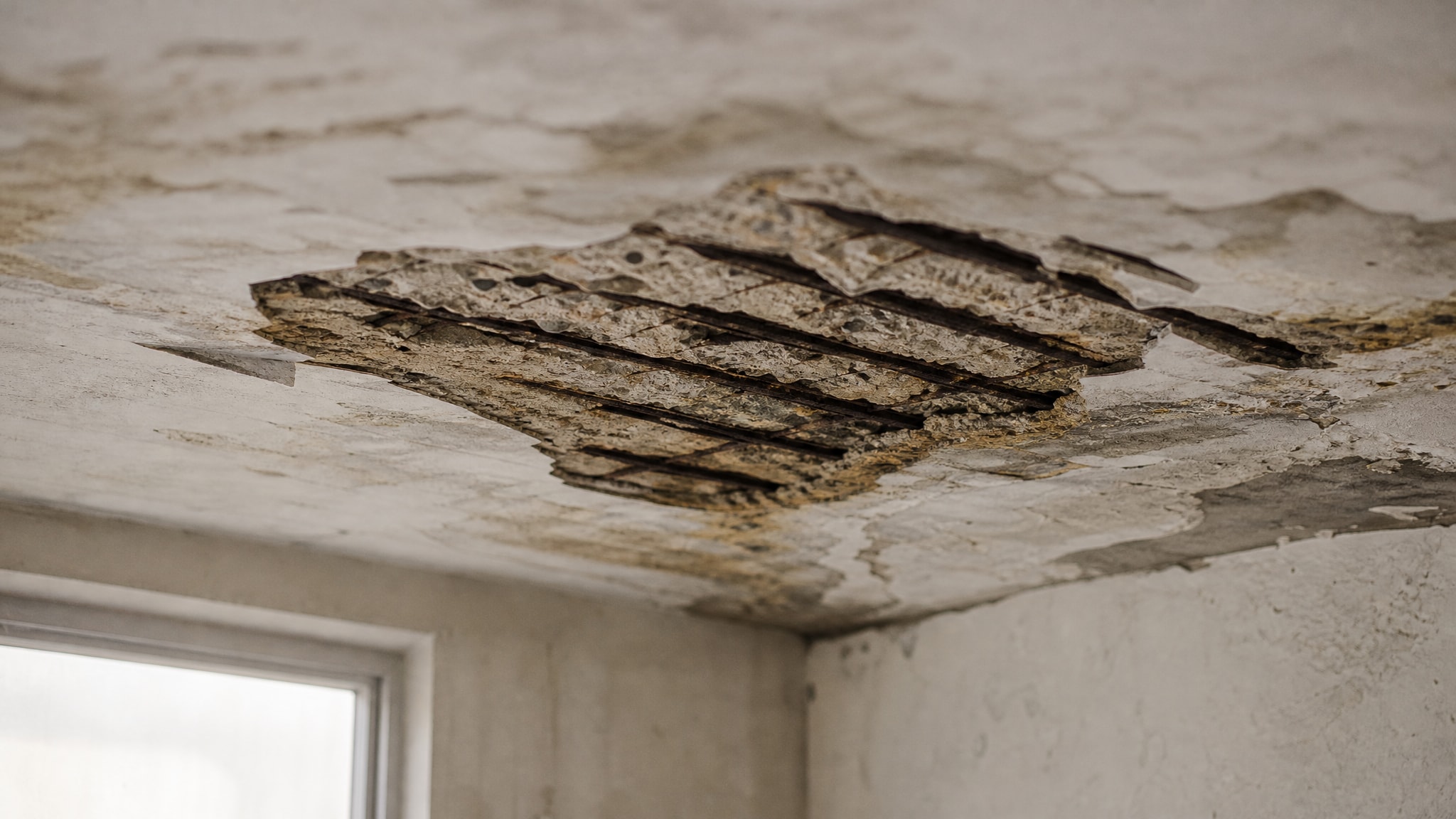
If the peeling area feels soft when pressed, the plasterboard or skim coat underneath may already be damaged. If you see brown stains, black spots, or a damp smell, moisture is likely still active. If the paint comes off in sheets, there may be too many old coats with weak bonding between layers. If chunks of plaster are falling with the paint, the issue is no longer just painting - it is ceiling repair.
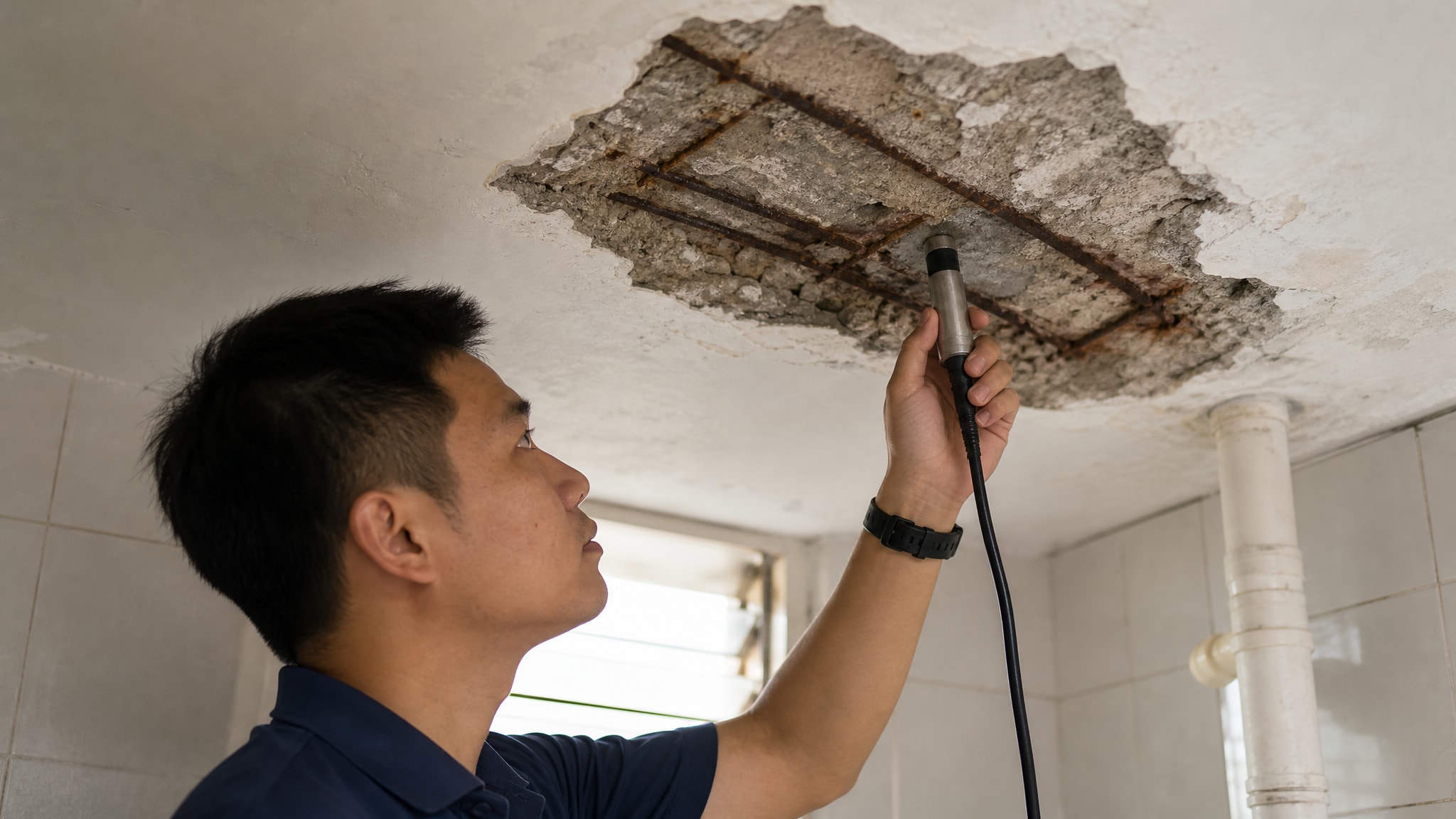
This is where many homeowners lose money. They pay for repainting when they actually need leak tracing, mold treatment, patch repair, skim coating, or partial ceiling replacement. A proper assessment saves time and repeat cost.
Moisture is the biggest cause of ceiling paint failure
If there is one trade rule that holds up on almost every site, it is this - wet surfaces do not keep paint well.
Water damage does not always come from a dramatic leak. Slow seepage from a pipe joint, a waterproofing failure upstairs, or condensation around ducts can be enough to weaken the finish. In bathrooms, steam can build up daily and slowly break down paint film. In top-floor units, roof slab issues can show up first as peeling ceiling paint.
The fix depends on the source. If a pipe is leaking, painting before the plumbing is repaired is wasted money. If mold is present, it should be treated properly, not hidden under fresh paint. If the substrate is still damp, it needs time to dry before sealing and repainting. This is why an experienced contractor checks the condition of the surface, not just the color on top.
Poor prep is the second big reason
A lot of peeling starts with rushed workmanship. On ceilings especially, some painters try to save time by painting over loose paint, patching unevenly, or skipping primer.
Good ceiling work is not just about rolling paint overhead. The loose areas must be scraped back to a firm edge. Cracks and damaged patches need proper filling or skim coating. Uneven repairs should be sanded smooth. Dust must be cleaned off. Stained or repaired areas often need a sealer or bonding primer before top coats go on.
When this process is skipped, the finish may look acceptable on day one and fail by month three. That is why surface preparation is not an extra. It is the job.
Why bathrooms and kitchens peel faster
Why does ceiling paint peel more in humid rooms?
Because humidity rises and collects where paint is already under stress.
Bathrooms, kitchens, utility rooms, and poorly ventilated storerooms are the most common problem zones. Steam, grease, and condensation settle on the ceiling. Over time, this weakens the bond between paint and substrate. If the room has no exhaust fan, or if windows stay shut most of the time, the problem gets worse.
This does not mean every humid room needs expensive specialty coatings. But it does mean product choice and prep matter more. In these spaces, it helps to use paint suited for moisture-prone interiors, address any mold or water staining first, and make sure the ceiling is fully dry before painting.
Can you just paint over peeling ceiling paint?
Usually no, at least not if you want it to last.
Painting over peeling paint traps a bad layer underneath. The fresh coat only sticks to the loose coat, not to the ceiling itself. It may hide the damage briefly, but it will keep lifting. The right way is to remove unstable material first, repair the base, prime where needed, and then repaint.
There is some judgment involved here. If the peeling is isolated and the surrounding surface is solid, a local repair may be enough. If the whole ceiling has poor adhesion, repeated bubbling, or widespread staining, full treatment is often more cost-effective than patching one spot after another.
What a proper repair usually involves
The repair should match the cause. There is no one-size-fits-all method.
A typical process may include scraping off loose paint, checking for moisture, opening damaged soft spots, treating mold if present, patching or skim coating uneven areas, sanding smooth, applying primer or sealer, and finishing with suitable ceiling paint. If the ceiling substrate is badly damaged, partial board replacement or more extensive plaster repair may be needed.
This is where a contractor who handles both plastering and painting has an advantage. If the surface is rough, cracked, blistered, or water-damaged, the repair and finish can be handled in one flow instead of splitting the work across multiple vendors. That usually means a neater result and fewer arguments about who is responsible if the paint fails again.
When should you call a professional?
If the peeling area is growing, if you see stains, if mold is present, or if the ceiling feels soft, get it checked. The same goes if peeling keeps coming back after repainting.
Small dry flaking from age can sometimes be handled as a minor maintenance job. But active moisture, damaged plaster, and repeated failure need proper diagnosis. A good contractor will tell you if the issue is only painting, or if you also need leak repair, mold treatment, patch restoration, or skim coating before any finish coat goes on.
For homeowners and shop owners, that honest diagnosis matters more than a cheap paint-only quote. Low price looks good at first, but not when you are repainting the same ceiling again in six months.
At Lengpainter, this is exactly the kind of issue that should be checked on site or through clear damage photos first. The cause has to be identified before the repair method and cost can be priced properly.
How to stop peeling from coming back
The best prevention is simple, even if the repair itself is not. Fix leaks early. Improve ventilation in wet rooms. Do not paint over damp or chalky surfaces. Use proper primer where repairs were made. And do not ignore hairline cracks, stains, or bubbling, because ceilings usually get worse before they get better.
A clean finish lasts when the surface underneath is solid. That is the part many people do not see, but it is the part that makes the difference.
If your ceiling is peeling, treat it as a signal, not just a paint problem. The right repair now is usually cheaper, cleaner, and less frustrating than doing the same job twice.
Comments