
HDB Kitchen Tiling Contractor Singapore: How to Pick Right

Finding a reliable HDB kitchen tiling contractor in Singapore often starts with noticing something wrong. You tap the floor and hear a hollow sound. A hairline crack spreads across the wall. Damp patches creep through the grout lines near the sink. In an older flat, these symptoms rarely exist on their own. They usually point to concrete degradation beneath the surface, not simple wear and tear. Before you commit to new tiles, you need to know whether the substrate itself needs restoring first, or the new installation will fail early.
Many homeowners search for a kitchen floor tile contractor expecting a straightforward overlay job, only to find out hacking and repair come first. This guide explains why structural assessment matters, how to vet specialists for wet area works, and what actually drives the cost of kitchen retiling in HDB estates. We focus on where tiling and concrete repair meet, because that's where most kitchen renovations fail or succeed.
Why Kitchen Tiling Often Requires Spalling Repair First
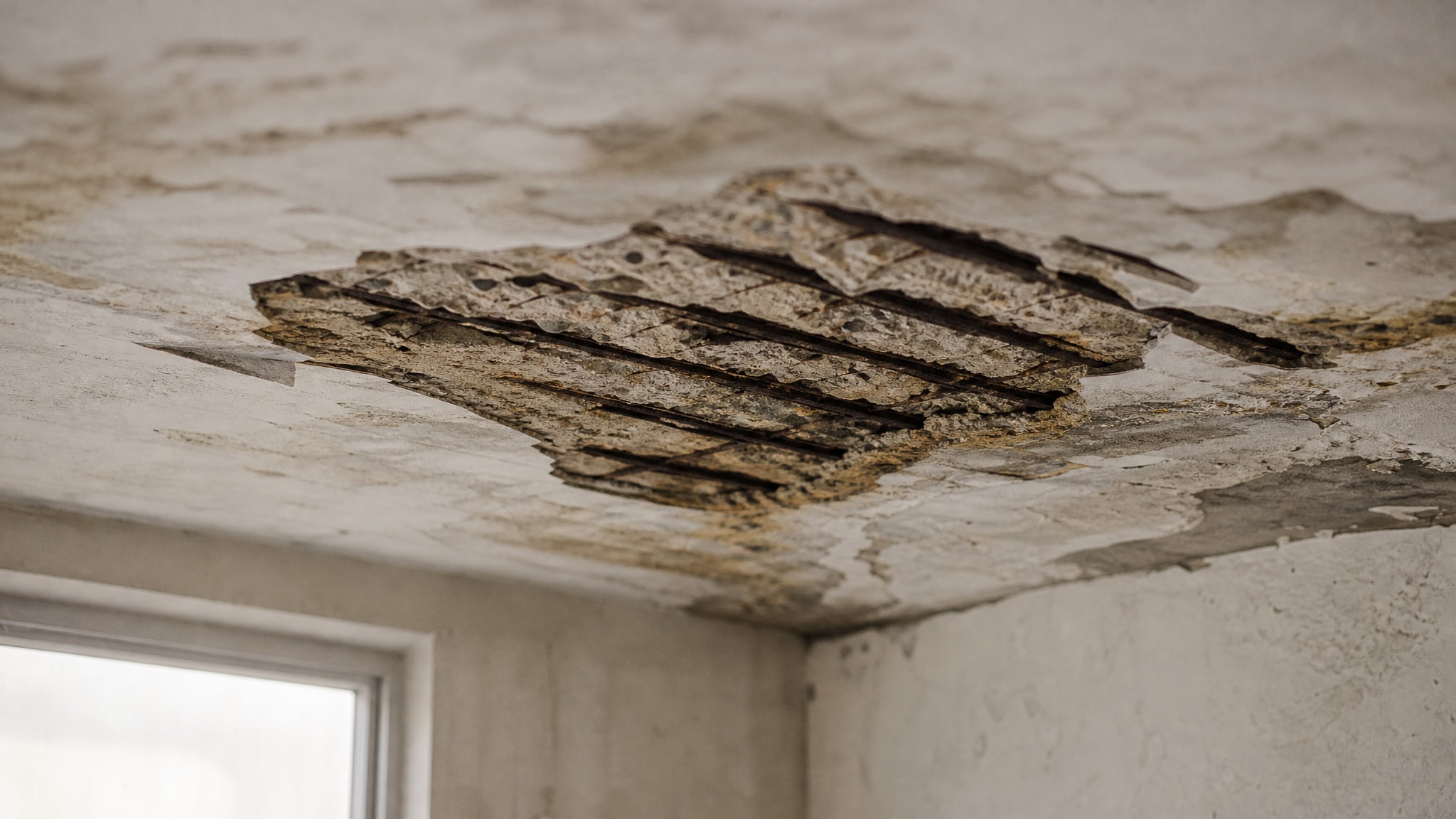
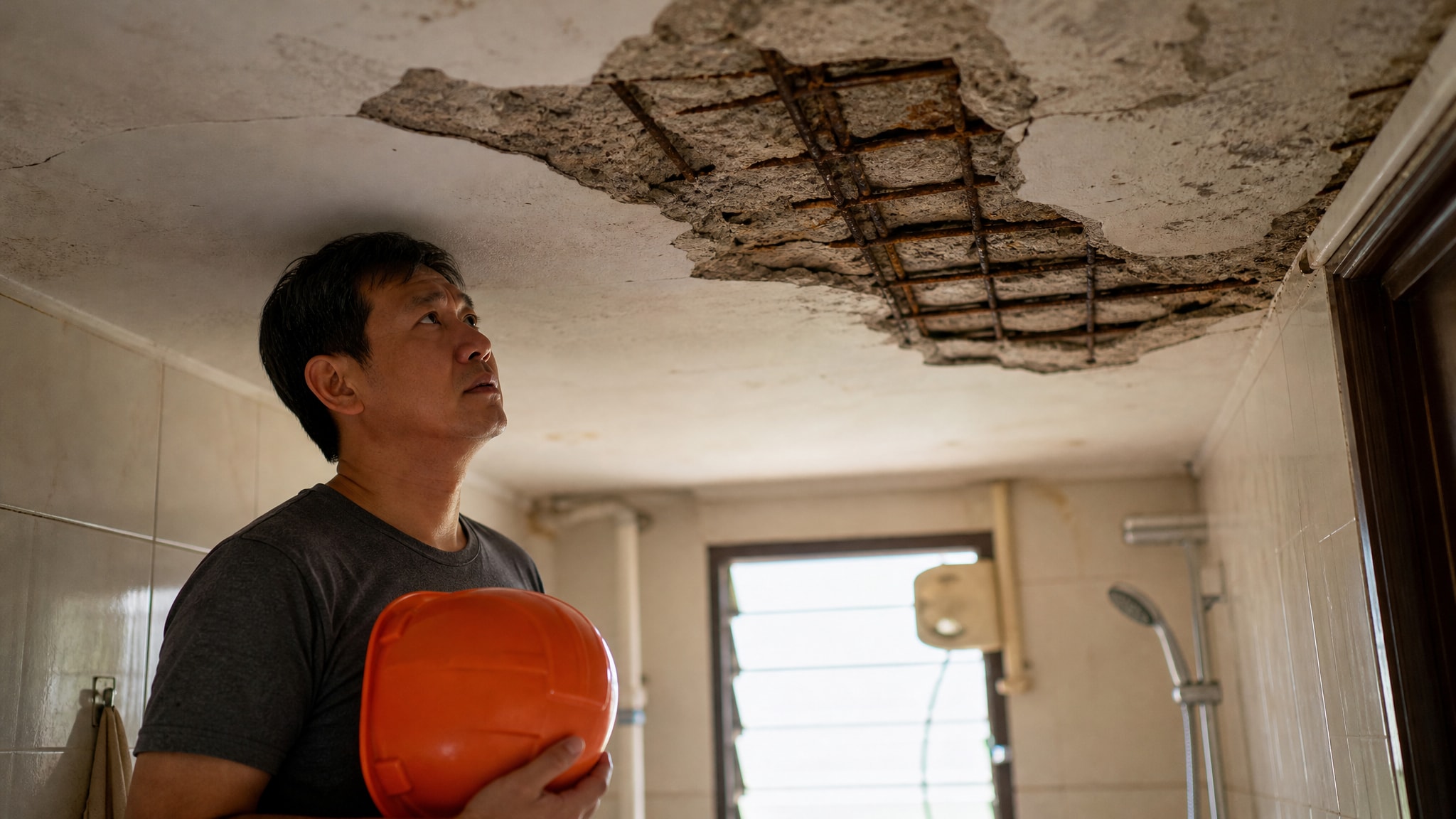
In older HDB kitchens, tile debonding is frequently caused by carbonation-induced spalling in the concrete substrate rather than adhesive failure alone. Moisture and temperature swings in a cooking environment speed up this chemical process, weakening the bond between the cement screed and the structural slab over decades of use. When you hire an HDB kitchen tiling contractor Singapore residents trust, they should check for this specific deterioration pattern before anyone talks tile selection or layout.
Identifying Concrete Damage Behind Loose Tiles
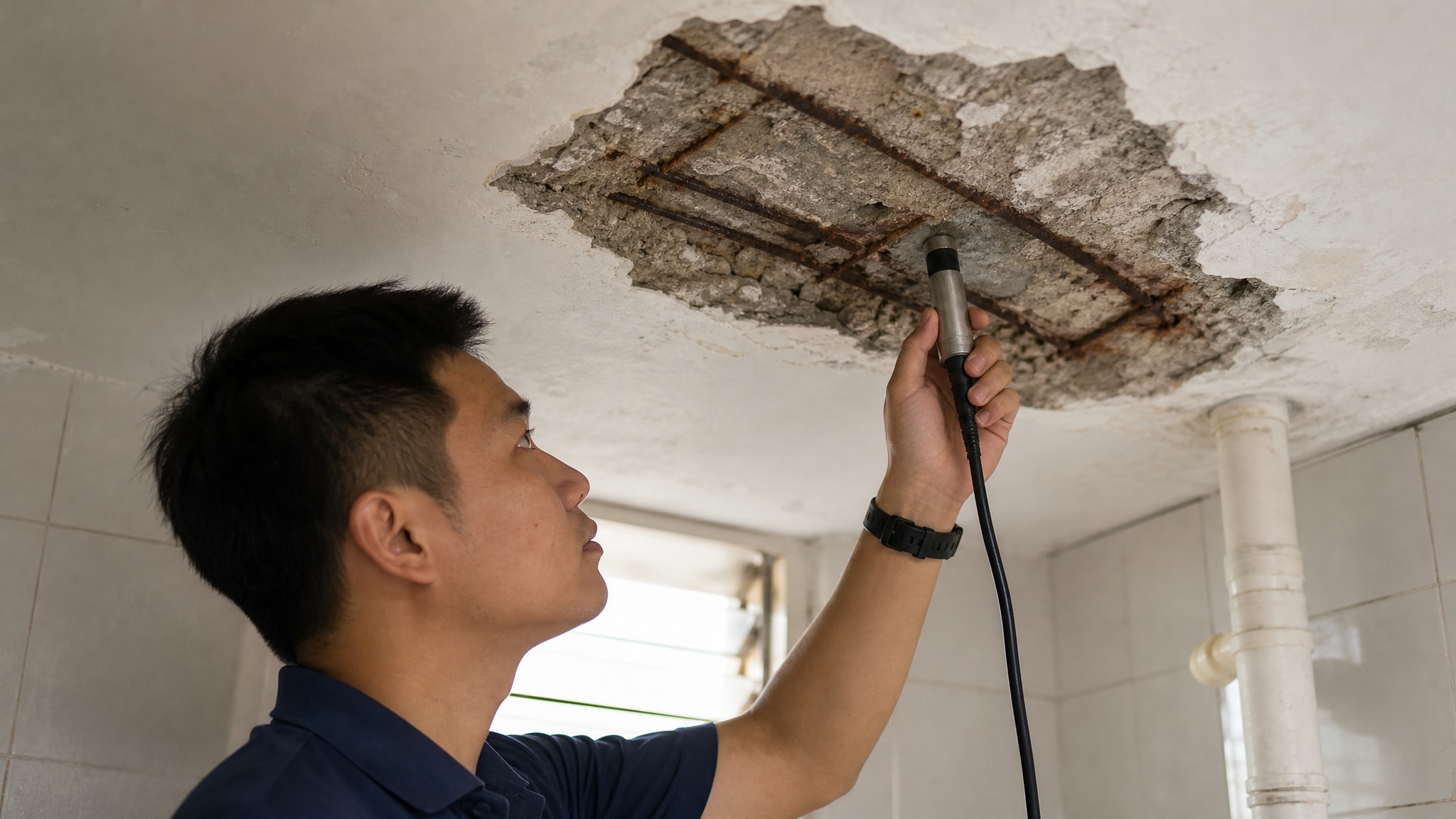
Surface damage is just the visible symptom. The real issue sits underneath, and it needs a proper diagnosis. Our kitchen assessments routinely turn up spalling behind existing tiles that general tilers miss, simply because they aren't trained in structural repair. You can often spot early warning signs yourself: rust stains bleeding through grout, damp patches that never quite dry, or tiles that sound hollow across a wide area rather than just at the edges. If you notice any of these, signs your HDB needs spalling inspection will help you confirm whether the problem goes beyond cosmetic wear.
The Risk of Tiling Over Unrepaired Substrates
Laying new tiles over compromised concrete sets up future failure, because the unstable base keeps moving and degrading no matter how good the adhesive is. Adhesive only bonds as well as the surface it grips. Apply high-grade cementitious glue to dusty, carbonated concrete and you get delamination within months, not years. That means paying twice for the same area: once for the failed overlay, then again for the hack-and-repair job that should have happened first.
Vetting an HDB Kitchen Tiling Contractor for Structural Safety
Picking the right professional means checking credentials that go well beyond a standard renovation license or an interior design certificate. HDB requires licensed contractors for any wet area works involving structural concrete repair or waterproofing membrane replacement. That rule exists to protect the building and the neighbours below and beside you. You need someone who understands both the tiling finish and the structural substrate underneath it, split those two trades across different people and you get accountability gaps the moment something goes wrong.
Checking HDB Licensing for Wet Area Works
General renovators often hold licenses for carpentry or painting but lack the specific approval for wet area structural work. Ask to see their HDB-registered contractor license for wet areas specifically. That designation confirms they carry the mandatory insurance and technical competency hacking and waterproofing require. Hire an unlicensed worker for structural repairs and you lose your protection under HDB's renovation guidelines, leaving you personally liable for any damage to neighbouring units or common property. The check takes minutes. Skipping it can cost you a lot more than that.
Assessing Experience with Kitchen-Specific Repairs
Kitchens present different challenges than bathrooms or service yards, thanks to grease buildup, heat cycling, and a denser run of plumbing. A contractor experienced in kitchen wall tiling HDB projects knows how exhaust fan vibration affects adhesion and how pipe penetrations create weak points in the waterproofing membrane. Ask specifically about their experience with kitchen spalling cases, not just general tiling volume, the two skill sets diverge sharply once structural repair enters the scope. Our toilet floor retiling contractor guide covers parallel vetting criteria for another wet area and is worth a read for comparison.
Understanding HDB Kitchen Retiling Cost Factors
Pricing for kitchen retiling varies widely, because the scope of repair work underneath differs flat to flat. Tile supply costs are fairly transparent and standard. Labour and material costs for spalling repair depend entirely on how much concrete degradation turns up once hacking starts. A quote that looks unusually low often excludes structural restoration, or assumes minimal damage, and you end up with variation orders once the real condition of the substrate shows itself.
The biggest cost driver is hacking depth and duration. Removing damaged concrete without harming reinforcement bars takes careful manual labour, not mechanical demolition. Waterproofing reinstatement adds another layer of expense, since compliant liquid membranes need multiple coats with specific curing times between each. Specialist contractors typically sequence kitchen projects as spalling repair, then waterproofing reinstatement, then tiling, to keep the warranty valid. That order isn't optional, skip a step and you compromise the whole system. Timing spalling repair before renovation is worth reading if structural work needs to happen before the aesthetic upgrade.
Kitchen Wall Tiling HDB: Technical Considerations
Vertical surfaces demand different specifications than floors, because gravity is constantly testing the adhesive bond while thermal expansion adds shear stress. Wall tiles in kitchens also take direct hits from cooking heat and steam, which means materials and installation methods need to handle movement without cracking. Your HDB kitchen tiling contractor Singapore team should be specifying products rated for vertical wet-area use, not repurposing floor-grade adhesive.
Adhesion Standards for Vertical Surfaces
Non-sag adhesives are a must for wall installations, because standard cementitious glue slumps under the weight of ceramic or porcelain tile before it cures. The adhesive also needs enough flexibility to absorb minor substrate movement without transferring stress to the tile face, which is what causes popping or cracking. Load-bearing capacity matters too, especially if you're planning heavy stone tiles or shelving anchored straight into the tiled surface. Check that your contractor is specifying adhesives rated for vertical wet areas, not a generic multi-purpose product.
Managing Grout Lines Near Cooking Zones
Grout in kitchen splashbacks and stove surrounds takes a constant beating from oil, acidic food, and cleaning chemicals that break down standard cement-based fillers. Epoxy or urethane grout resists staining and chemical attack far better than the traditional option, though it needs more skilled application and a longer working time. Heat-resistant formulations matter near hobs and ovens, where thermal cycling runs well above normal room conditions. Wall tiling often turns up hidden spalling near exhaust fans or pipe penetrations, and that needs treating before installation proceeds, one more reason to use specialists who know kitchen-specific deterioration patterns.
Scope of Work: What a Specialist Contractor Actually Does
A proper kitchen tiling and repair project follows a set sequence that deals with root causes before any finish goes on. That's the difference between a specialist contractor and a handyman who offers tile replacement as a standalone service without asking why the original installation failed. Knowing this scope helps you judge quotes fairly and spot a proposal that skips steps that will cause early failure.
Specialist contractors start with diagnostic hacking, exposing the full extent of concrete damage and removing loose or carbonated material until they hit sound substrate. Next comes polymer-modified repair mortar, built to bond with aged concrete and resist future carbonation, followed by primer and waterproofing membrane across the whole wet area. Only once those structural and protective layers have cured does tiling begin, using adhesive and grout matched to the tile type and exposure conditions. One party carries the whole job, so there's no fragmenting responsibility across tradespeople who blame each other when something goes wrong. Contractor vs handyman for spalling repair digs into why this distinction matters for long-term durability.
Common Kitchen Tile Crack Repair Mistakes to Avoid
Quick fixes tempt homeowners looking for a fast solution, but they rarely deal with the instability actually causing the damage. Cracks that keep coming back usually signal an unresolved structural issue, not something more patching will fix. It just wastes money and delays the proper repair. Knowing the common mistakes helps you steer clear of contractors offering band-aid solutions for a problem that needs a systematic one.
Ignoring Movement Joints in HDB Kitchens
Every tiled surface in an HDB flat needs perimeter and field movement joints, to absorb building settlement and thermal expansion without cracking the tile. Skip these joints, or fill them with rigid grout instead of flexible sealant, and you send that movement energy straight into the tile plane, cracks follow along predictable stress lines. Kitchen layouts with L-shaped counters or island peninsulas add extra stress concentration points that need carefully placed soft joints. Your contractor should mark joint locations on the layout plan before installation starts. They're structural, not a decorative afterthought.
Using Incorrect Fillers for Structural Cracks
A hairline crack in a tile sometimes means the substrate is moving, not that the tile is defective. Filler on the tile surface alone will crack again as the concrete underneath keeps shifting. Structural cracks need injection grouting or localized substrate repair before any cosmetic treatment makes sense. Even non-structural cracks need filler matched to the tile and the exposure it's facing, bathroom-grade epoxy behaves differently to kitchen-grade formulations exposed to cooking fat. Bathroom tile crack repair covers the parallel but distinct failure modes that come with moisture exposure.
Getting an Accurate Quote for Kitchen Tiling and Repair
An accurate estimate depends on accurate site information, because assumptions about how much damage there is drive the biggest swings in a quote. Send detailed photos of the affected areas, your flat's age, and any past repair history, and a contractor can put together a preliminary assessment before even visiting. Going straight to specialists who handle both spalling repair and tiling closes the coordination gap and gives you one point of accountability for the whole job.
When you ask for quotes, specify whether you want full hack-and-replace or you're exploring overlay options, the cost and risk profile differ a lot between the two. Ask directly what the quote covers on spalling repair contingency, waterproofing specification, and waste disposal, since gaps in any of these turn into surprise charges later. A reputable HDB kitchen tiling contractor Singapore homeowners rely on will welcome detailed questions and give you an itemized breakdown of labour, materials, and contingencies, listed separately. That's what lets you compare proposals properly and know exactly what you're paying for at each stage.
Frequently Asked Questions
How long does kitchen spalling repair take before tiling can start?
Spalling repair typically requires three to five days depending on damage extent, including hacking, mortar application, and curing time. Waterproofing adds another two to three days for membrane application and leak testing. Rushing these curing periods compromises bond strength and voids warranties, so factor at least one week for structural prep before tiling begins.
Can I tile over existing kitchen tiles if there is no visible damage?
Overlay is only viable if a tap test confirms full adhesion across the entire existing surface and moisture readings show no trapped water. Even then, overlay raises floor height and reduces ceiling clearance, which may violate HDB renovation guidelines for door thresholds. Most specialists recommend full removal in kitchens over 20 years old because hidden carbonation is nearly universal.
What warranty should a kitchen tiling contractor provide for spalling repair?
Reputable specialists typically offer three to five years warranty on spalling repair workmanship and materials, separate from tile installation warranty. This warranty should cover recurrence of spalling in repaired areas, not just tile adhesion. Always get warranty terms in writing specifying what triggers coverage and what maintenance obligations you must fulfill to keep it valid.
Does HDB require permits for kitchen tiling that involves spalling repair?
Yes, any wet area work involving structural concrete repair or waterproofing membrane replacement requires HDB permit submission by a licensed contractor. Simple tile overlay without hacking may not require permits, but once spalling repair enters the scope, regulatory approval becomes mandatory. Your contractor handles permit application as part of their service, and you should receive confirmation before work commences.
Comments