
HDB Ceiling Skim Coat: When to Use a Contractor

If your HDB ceiling has fine cracks or a slightly uneven surface before a repaint, you might not need a full hacking job. Many flats only need a skim coat, a thin finishing layer that smooths out imperfections without tearing into the existing plaster. The trick is knowing which problem you actually have. This guide walks through how skim coating works, when it's enough, and when you need a proper HDB ceiling skim coat plastering contractor to check the surface before you commit to any job.
What Is Ceiling Skim Coating and How Does It Differ from Full Plastering?
Skim coating is a thin layer of plaster or joint compound applied over an existing ceiling surface. Workers use it to smooth out minor bumps, hairline cracks, and rough patches left by old paint jobs or age. The layer is usually just a few millimetres thick. A contractor applies it with a trowel, then sands it smooth once dry.
Full plastering is a different scale of work. It means hacking off the old, failed plaster layer down to the concrete slab, then rebuilding it from scratch. That's the right call when the base plaster has lost its bond to the ceiling, not when the surface is just cosmetically rough.
Skim Coat vs Plastering HDB: Key Differences
The core difference comes down to what's happening underneath the surface. Skim coating leaves the existing plaster in place and works on top of it. Full plastering removes that layer entirely.
Skim coating suits ceilings where the base is sound but the finish looks tired. Full re-plastering is for ceilings where the plaster itself has failed, through age, water damage, or poor original workmanship. Getting this distinction right matters. Skim coating a ceiling with a failing base plaster underneath just delays the real fix, and you'll pay for the job twice.
Signs Your HDB Ceiling Only Needs a Skim Coat, Not Hacking
Not every rough or cracked ceiling needs hacking. A quick visual and physical check can tell you a lot before you call anyone out.
Hairline Crack Ceiling Skim Coat: What's Safe to Cover
Fine, hairline cracks that don't run deep are usually safe to skim over. These often come from normal settling or surface shrinkage in the paint and plaster film, not structural movement. If the crack is thin, doesn't widen at any point, and the plaster around it feels firm when you press on it, a skim coat will typically hide it for good.
A common scenario: a homeowner notices fine hairline cracks and a slightly uneven ceiling before repainting, but the plaster underneath is still firmly bonded. Skim coating alone typically solves this problem. There's no hollow sound when tapped, no flaking, and no sign of moisture. It's just an older ceiling that needs a smoother finish before paint.
When Uneven Ceiling Repair in Singapore Requires More Than Skim Coating
Some signs mean skim coating won't hold, no matter how carefully it's applied. Watch out for:
Bulging or sagging patches in the ceiling
Paint or plaster flaking off in chunks
Damp patches, discolouration, or staining
A hollow sound when you tap the surface
Cracks that are wide, growing, or run in a pattern across the slab
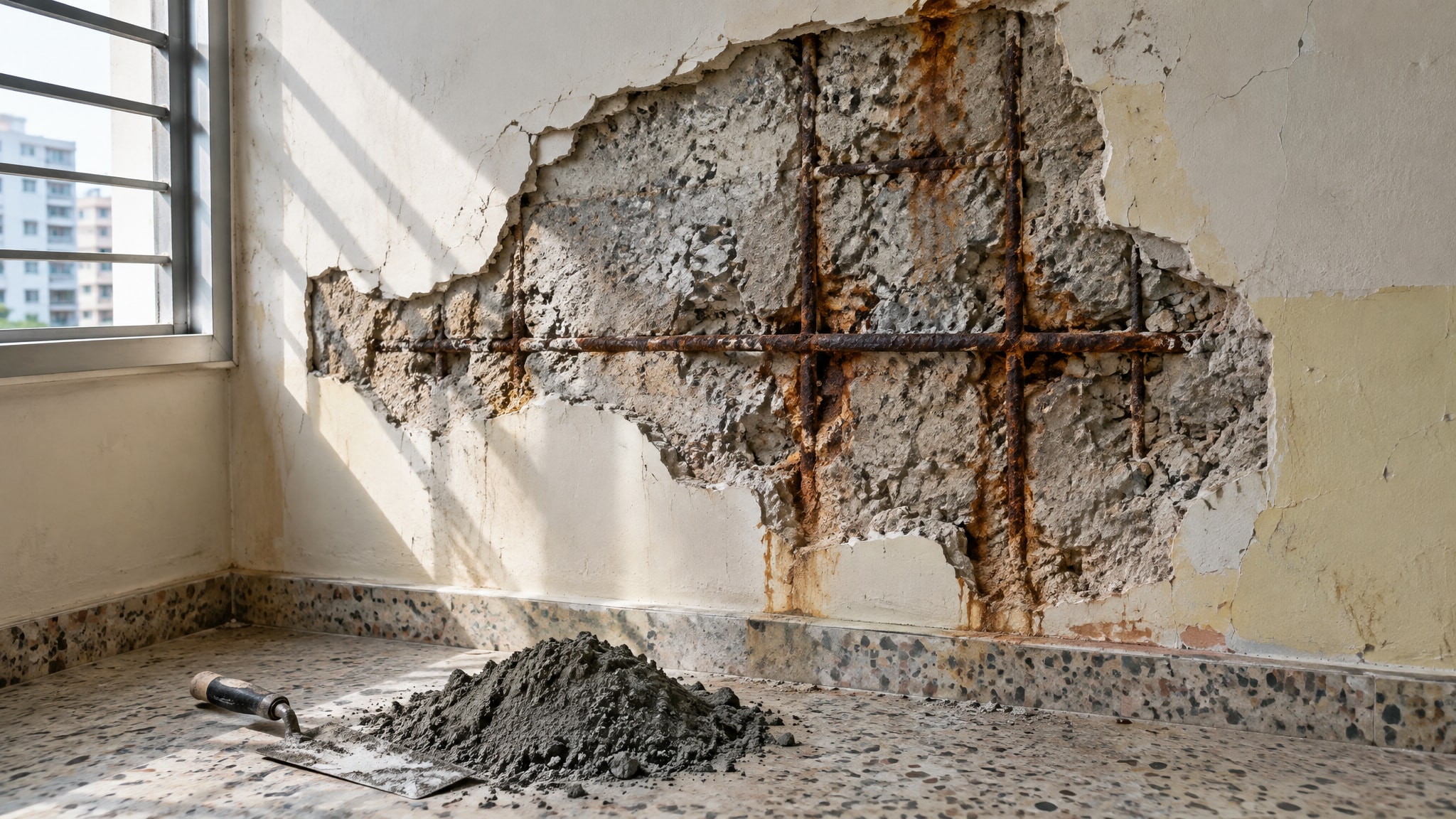
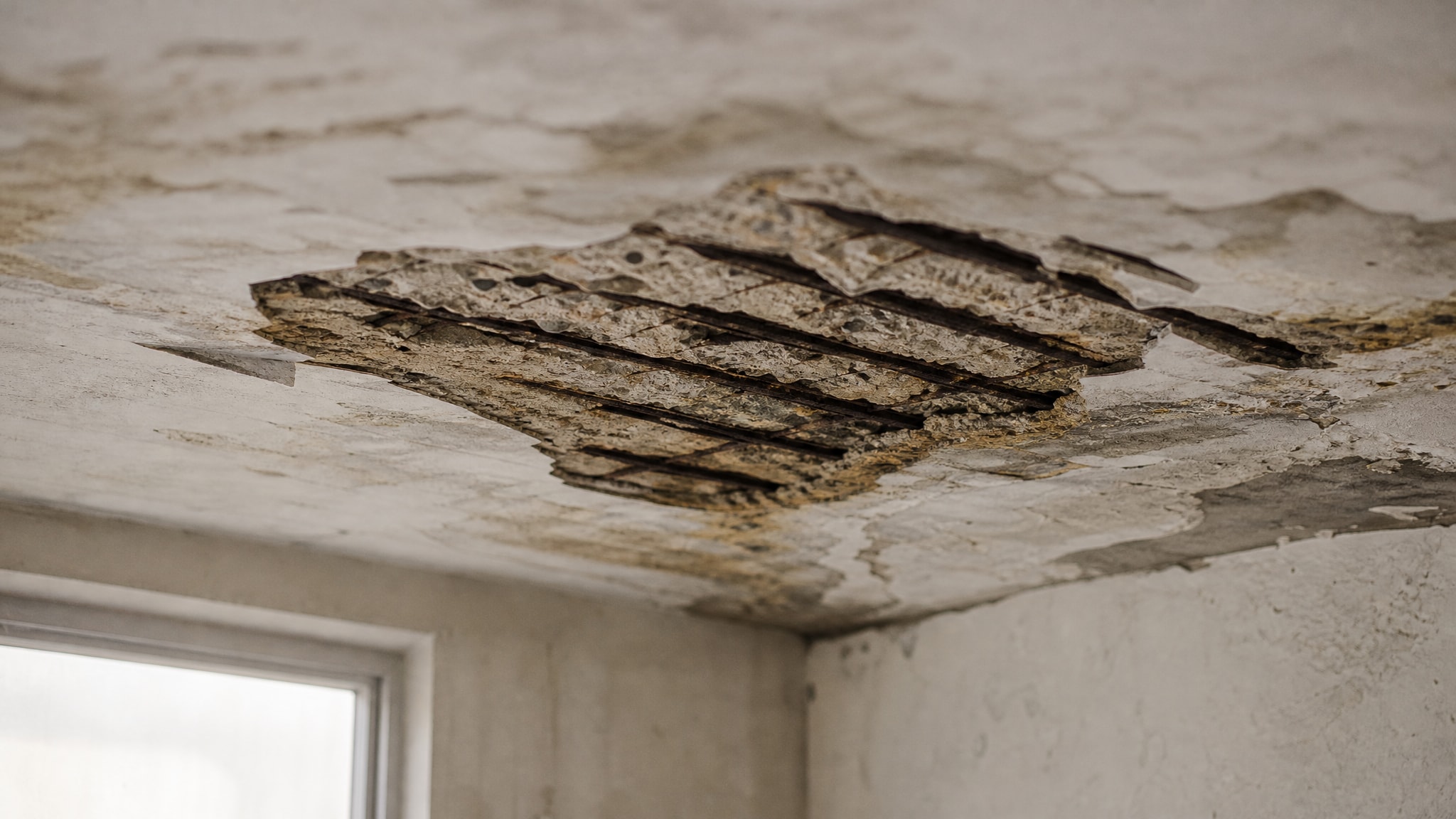
By contrast, ceilings with bulging patches, flaking paint, or damp staining usually point to failed plaster or a leak source. Skim coating cannot fix this. It needs hacking and re-plastering instead. If you're seeing staining that keeps returning after painting, it's worth understanding why ceiling water stains keep coming back before doing any surface work at all. The same goes for ceilings with visible mould growth. Skim coating over mould just traps the problem, so removing and preventing ceiling mould growth has to happen first. And if there's an active leak feeding the damage, a ceiling leak and water damage repair guide is the right starting point, not a skim coat.
If any of these apply, a full hacking and re-plastering cost guide will give you a clearer sense of what that bigger job involves.
The Skim Coating Process and Typical Turnaround Time
A proper skim coat job follows a few clear stages. First, the contractor cleans the ceiling and removes any loose paint or debris so the compound has something solid to grip. Any dust or grease left behind will stop the new layer from bonding properly.
Next comes the skim coat itself, applied in thin, even layers with a trowel. Depending on how uneven the surface is, this might take one coat or two, with drying time in between. Once the final coat dries, the contractor sands it down to a smooth, flat finish ready for paint.
For a typical HDB room, this whole process usually takes a day or two from prep to a paint-ready surface, though drying time can stretch a little longer in humid weather. Larger areas, multiple coats, or ceilings needing extra prep work will take longer. A contractor doing an on-site assessment can give you a realistic timeline for your specific flat rather than a generic estimate.
Ceiling Skim Coat HDB Cost: What Affects the Price
Skim coating costs less than full hacking and re-plastering, mainly because it skips the demolition and rebuild stage entirely. But the exact price still depends on a few factors specific to your flat.
Ceiling area is the biggest driver. A small bedroom costs less to skim than a full living and dining space. The number of coats needed also matters. A ceiling with more surface unevenness usually needs two coats instead of one, which adds material and labour time.
Accessibility plays a role too. High ceilings or rooms with awkward layouts, like around built-in wardrobes or bulkheads, take longer to work around. Finally, the condition of the existing surface affects pricing. A ceiling with more cracks and rough patches needs more prep work before the skim coat even goes on.
Because every flat is different, it's hard to give a fixed number that applies across the board. An on-site assessment is the only reliable way to get an accurate quote for your ceiling.
Skim Coating Ceiling Before Painting HDB: Why Prep Matters
Paint doesn't hide imperfections, it highlights them. Under certain lighting, even small bumps or hairline cracks become obvious once a fresh coat of paint goes on, especially with lighter colours or gloss finishes.
Skim coating ceiling before painting HDB creates a flat, uniform surface for the paint to sit on. This isn't just about looks. A smooth, properly prepped surface also helps paint stick better and last longer, since it isn't fighting against loose flakes, dust, or an uneven base underneath.
Skipping this step to save time often means redoing the paint job sooner than expected, once those small surface flaws start showing through.
Why DIY Skim Coat Often Fails on HDB Ceilings
Skim coating looks simple on paint tutorials online, but ceilings are one of the harder surfaces to get right. Working overhead means constant strain. It's easy to apply the compound unevenly without realising it until the coat dries.
Common DIY problems include:
Visible trowel marks or seams once the paint goes on
Patchy drying, where some areas dry faster and shrink differently
Poor adhesion if the surface wasn't cleaned or prepped properly
Sanding that's too aggressive or too light, leaving an uneven finish
These issues usually don't show up until the paint is on, by which point fixing them means redoing the work. Getting the mix, application, and drying time right takes practice most homeowners don't have the chance to build.
Choosing an HDB Ceiling Skim Coat Plastering Contractor
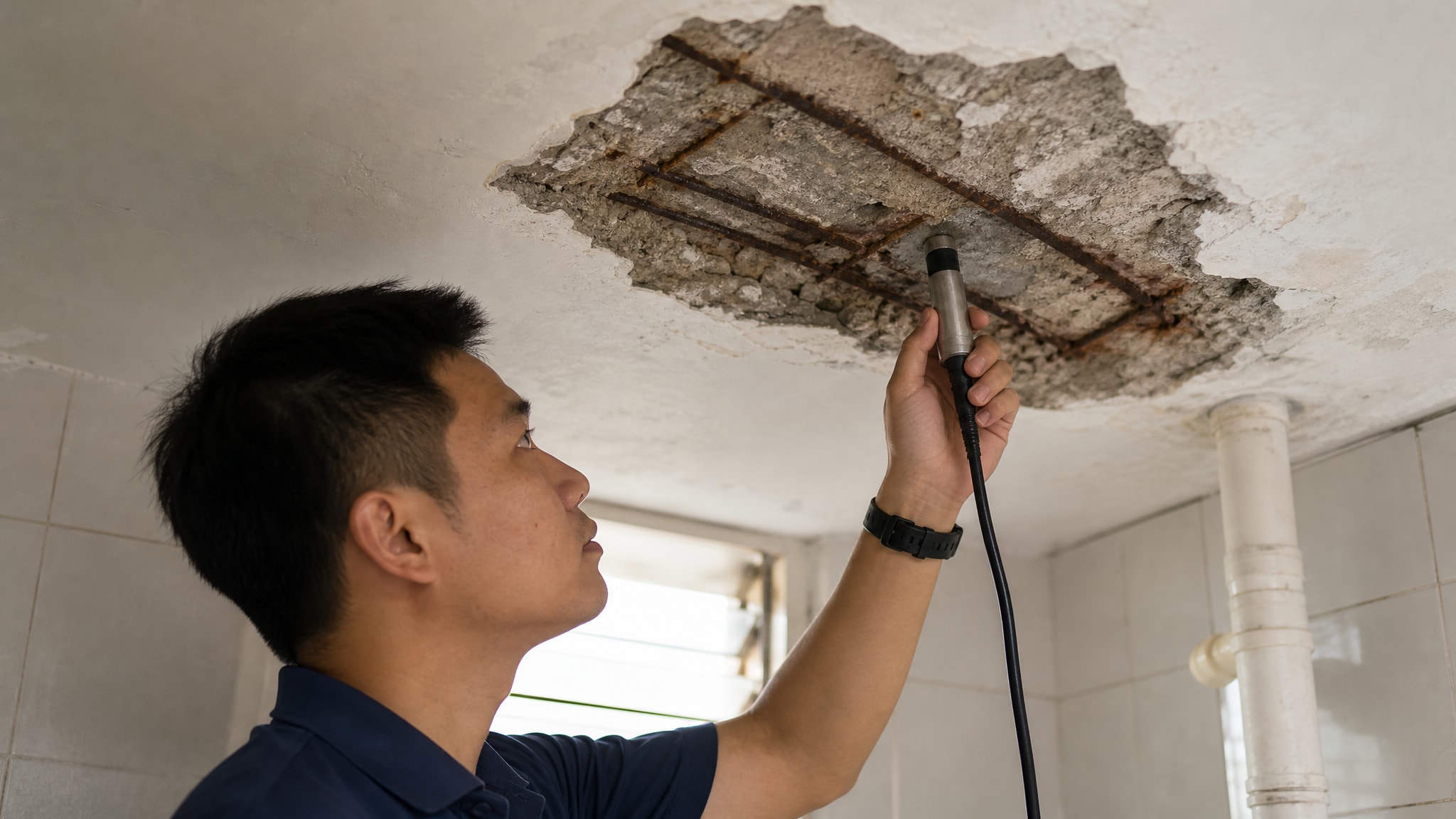
A good contractor will assess your ceiling in person before recommending skim coating over a bigger job. Look for one who explains the difference clearly, checks for hollow spots and moisture, and won't just skim over a problem that needs hacking instead. If you want a broader sense of what to check for, finding a local HDB ceiling plastering specialist covers what separates a reliable contractor from one cutting corners.
Leng Painter's team routinely assesses HDB ceilings on-site to decide whether a skim coat alone will fix surface unevenness or whether the underlying plaster has failed and needs hacking. Leng Painter specialises in HDB plastering, spalling concrete repair, and ceiling mould treatment. That gives the team a practical view of when a lighter-touch fix like skim coating is appropriate versus when structural repair is required.
If your ceiling assessment turns up something more urgent, like an active leak or sudden sagging, a same-day emergency ceiling repair service is a faster path than waiting on a scheduled skim coat job.
Not sure whether your ceiling needs a skim coat or a full re-plastering job? Get a free on-site assessment from Leng Painter, and get a clear answer along with a proper quote before you decide.
Comments