
HDB Spalling Concrete Repair Quotation: What to Expect

Updated: Aug 18
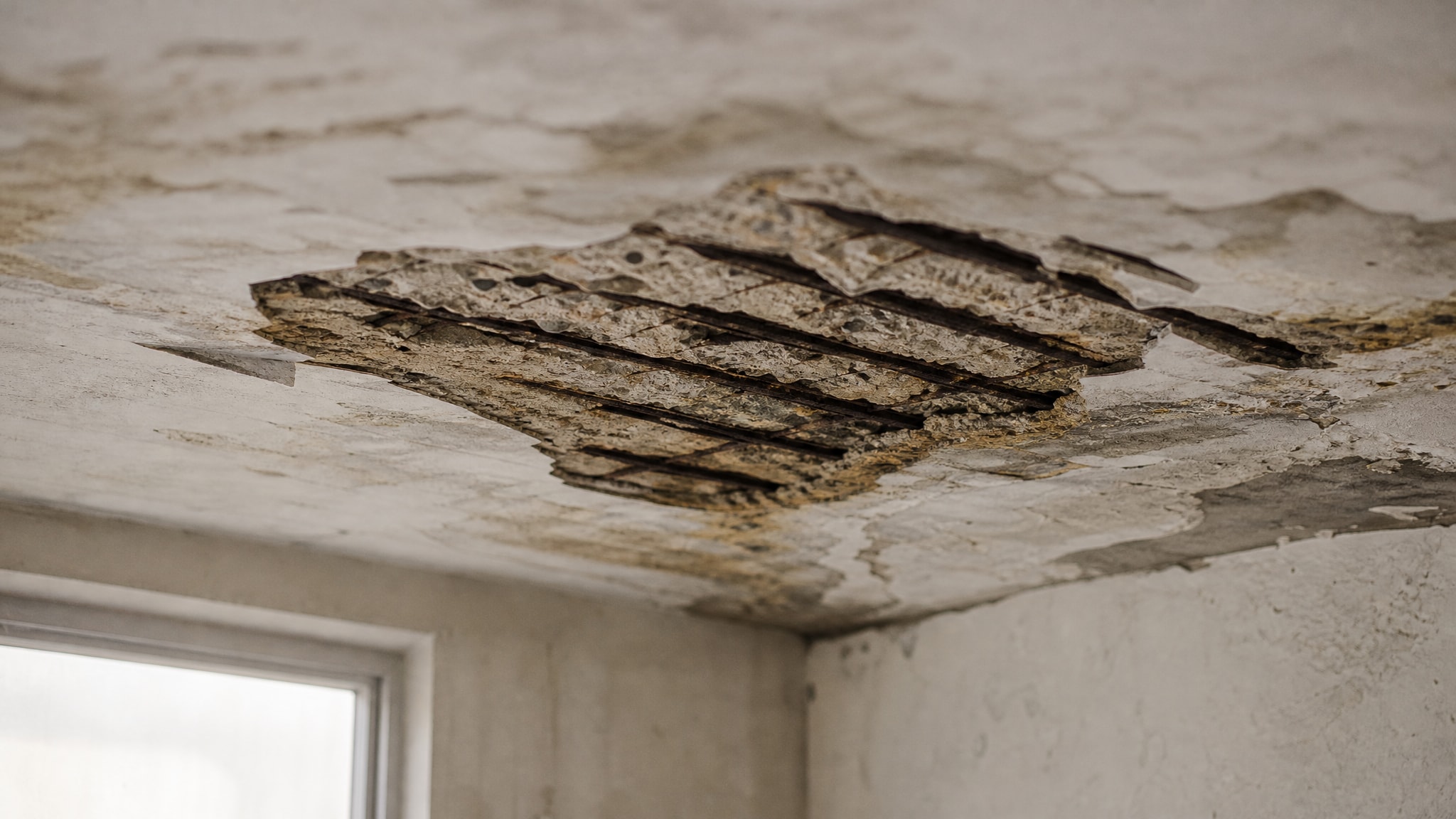
If you've spotted crumbling concrete, rust stains, or a hollow-sounding patch on your ceiling or wall, the next step is getting a proper HDB spalling concrete repair contractor quotation. Most homeowners have no idea what a real quote should look like, though. So they end up comparing numbers that aren't actually comparable. This guide walks through the whole quotation process: what happens at the site visit, what a proper quote breakdown includes, the red flags to watch for, and how to compare offers fairly before you commit.
What Happens During a Spalling Concrete Repair Site Assessment
A proper concrete repair site assessment always starts in person, not over text. A contractor needs to see the affected area, touch it, and often chip away at the surface to understand what's really going on underneath.
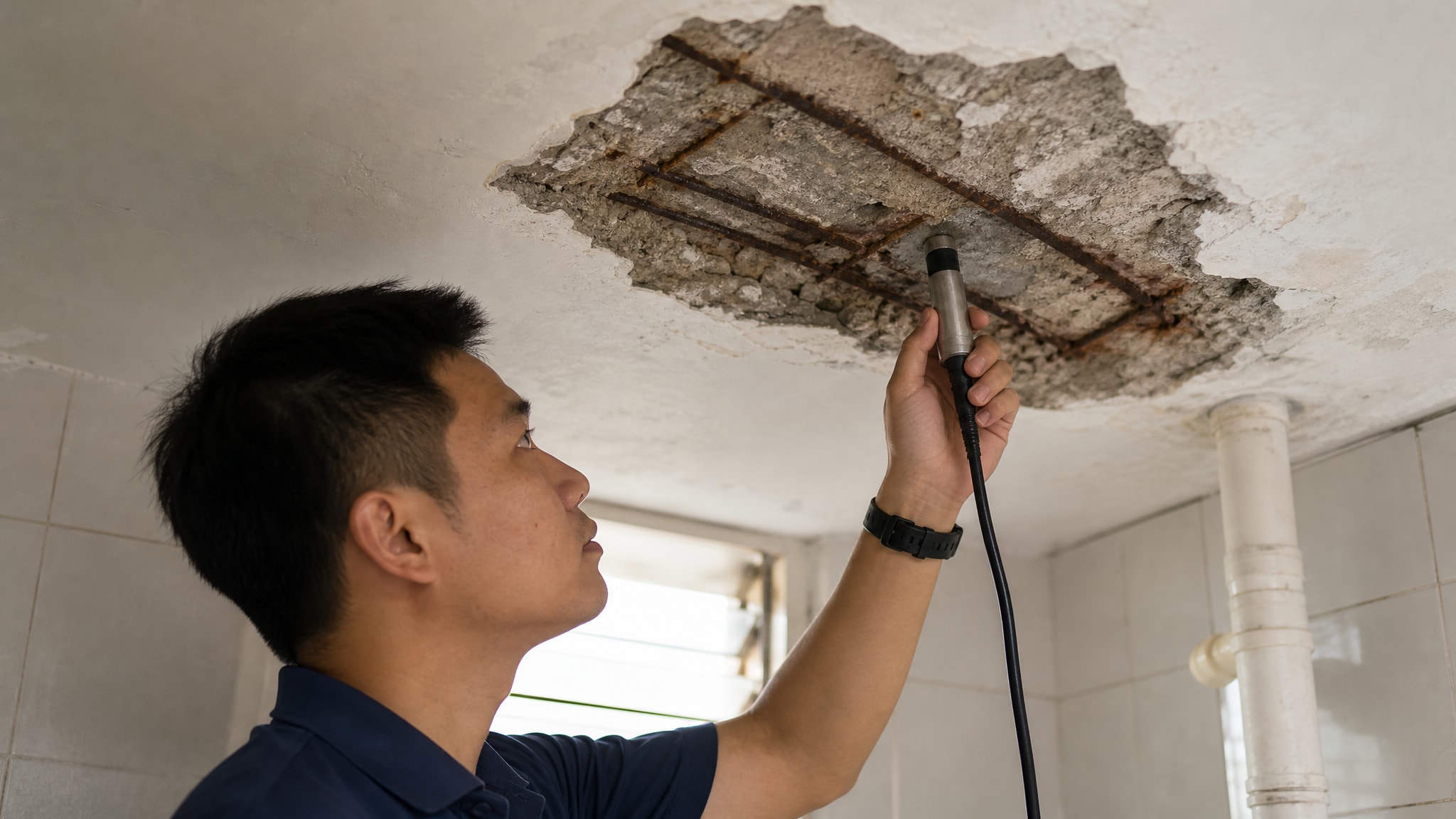
The visit usually follows a simple sequence. First, a visual check of the crack, stain, or bulge. Then a hammer-tap test across the surrounding surface to find hollow spots that haven't visibly failed yet. The contractor also checks for rust streaks and dampness. Both are signs that water has reached the steel reinforcement inside the concrete. Only after measuring the full affected area, not just the obvious crack, can they give you an accurate price.
This is also why quotes for something like a bathroom spalling concrete floor repair can vary so much between units that look similar from the outside. Moisture exposure and slab age differ from flat to flat.
How Contractors Check for Hidden Rebar Corrosion
Rebar corrosion is the real driver of spalling concrete. Rust expands, and that expansion cracks and pushes off the concrete around it. Visually, you only see the surface damage. To check what's happening underneath, a contractor will tap the concrete with a hammer and listen for a dull, hollow sound rather than a solid ring.
A hollow sound means the concrete has separated from the rebar even if it hasn't fallen off yet. The contractor will often chip open a small test patch to look at the steel directly. They check how much has rusted and whether it needs full replacement or just cleaning and treatment.
How Long a Typical HDB Site Visit Takes
Most site visits for a single spalling patch, like a toilet ceiling or a small section of wall, take between 20 and 40 minutes. If the damage is spread across a larger area, such as a full corridor or an outdoor ledge, the contractor may need closer to an hour to map out every hollow spot. Either way, this is time well spent. It's the only way to get a quote that won't change once work starts.
What Should Appear in a Proper HDB Repair Quote Breakdown
A proper spalling repair quotation should break down surface area, rebar treatment, epoxy or mortar type, and reinstatement work as separate line items, not a single lump sum. If a quote arrives as one number with no explanation, you have no way to check what you're actually paying for, or to compare it against another contractor's price.
Line Items to Look For in a Quotation
An itemised HDB repair quote breakdown should generally cover:
Surface area to be repaired, measured in square feet, based on what was found during the assessment
Rebar treatment, including rust removal, anti-corrosion coating, or replacement of severely corroded bars
Mortar or epoxy type, since polymer-modified repair mortar and epoxy resin cost differently and suit different situations
Reinstatement work, such as tiling, plastering, skim coating, or painting to restore the finished surface
Labour cost, separate from materials
Warranty period for the completed repair
Estimated timeline, including drying and curing time before the area can be used again
Many spalling concrete quotes in Singapore are priced per square foot of affected area. But the final figure can shift once a hammer tap finds hollow-sounding concrete beyond the visible crack during the site visit. That's exactly why the assessment has to come before the pricing, not after.
Materials and Warranty Terms Worth Checking
Ask what mortar or epoxy system the contractor plans to use and why. A ceiling repair exposed to constant moisture, for example, calls for a different product than a dry indoor wall. Also check the warranty terms in writing: how many months or years it covers, and whether it includes just workmanship or materials too. A contractor confident in their work will usually put this on paper without being asked twice.
Red Flags of a Lowball or Vague Spalling Concrete Quote
Not every cheap quote is a bad quote, but a vague one almost always leads to problems. Here's what to watch for before you sign anything.
No breakdown at all, just a single "all-in" figure with no mention of area, materials, or labour
No mention of rebar treatment, even though rust is usually the actual cause of the spalling
Pricing given purely from a WhatsApp photo, with no site visit offered or suggested
Vague "per job" pricing instead of a per-square-foot or per-unit rate you can check against the measured area
No warranty mentioned, or a vague verbal promise instead of a written term
Signs a Quote Was Given Without a Site Visit
If a contractor sends you a fixed price within minutes of seeing a photo, that's a sign they haven't actually assessed the extent of the damage. Photos show the surface. They don't show hollow concrete beyond the crack, or how far the rust has spread along the rebar. A number given this fast is a guess, not a quote.
Why Suspiciously Cheap Quotes Often Cost More Later
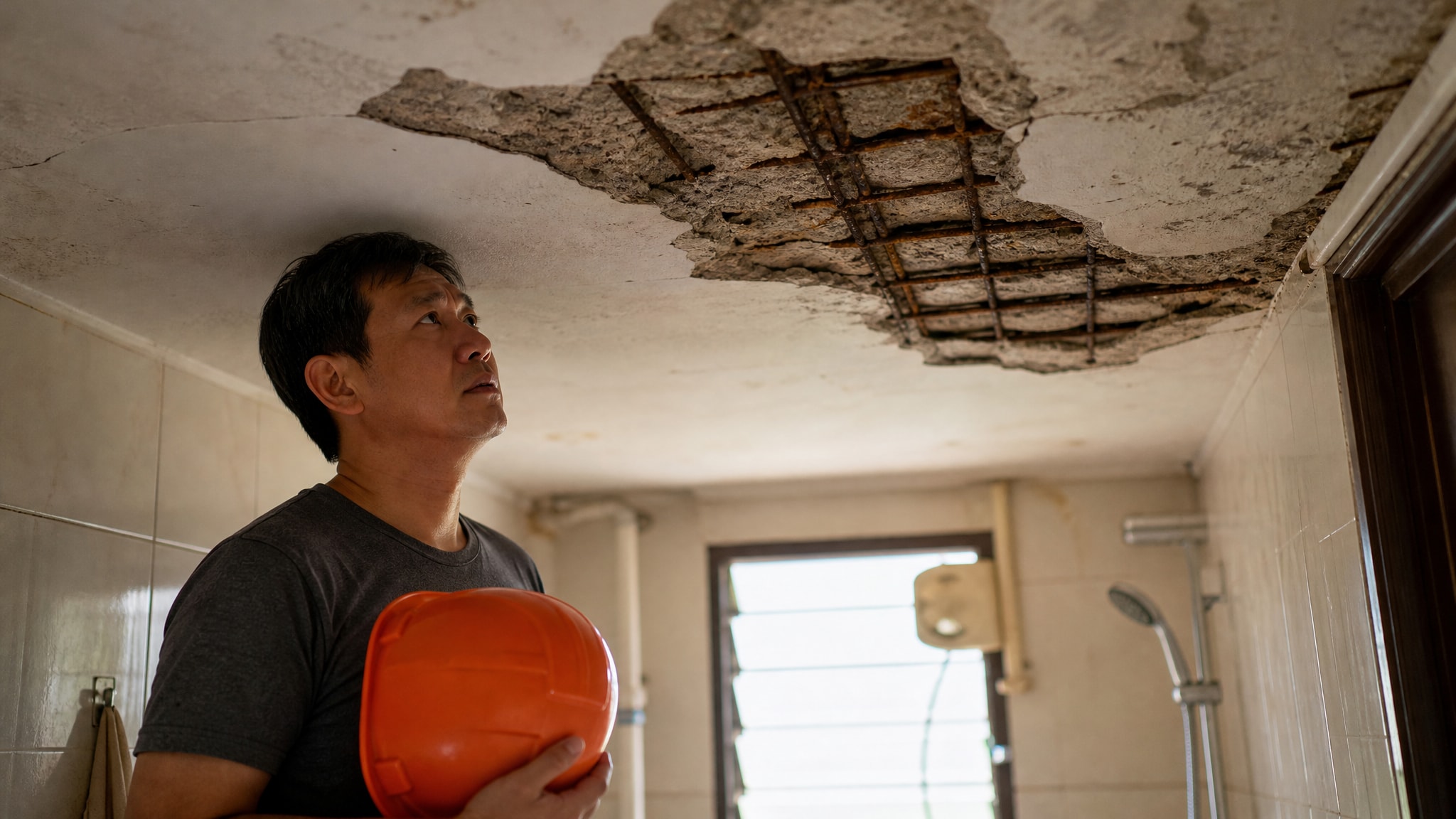
Homeowners who accept a phone-quote-only price without a site visit often face top-up charges mid-job once the contractor uncovers hidden rebar corrosion. A typical HDB toilet ceiling spalling job may look identical from a photo but cost very differently once a contractor opens up the affected patch and finds rusted reinforcement bars underneath. What looked like a small patch job on screen can turn into a much larger repair once the wall is opened up. By then, you're negotiating mid-project instead of comparing quotes upfront.
How to Compare Multiple Spalling Concrete Quotes Fairly
Once you have quotes from a couple of contractors, resist the urge to just look at the bottom-line number. A lower price with less scope isn't actually cheaper. It's a different, smaller job.
Matching Scope of Work Before Comparing Price
Before comparing figures, line up each quote against the same criteria:
Same measured surface area
Same rebar treatment approach
Same mortar or epoxy grade
Same reinstatement finish (tiling, plastering, painting)
Same warranty length
If one quote is missing rebar treatment altogether and another includes it, the cheaper one isn't a bargain. It's an incomplete job waiting to reappear in a year or two. This applies whether you're comparing quotes for an outdoor area spalling concrete repair or a smaller indoor patch. Scope has to match before price means anything.
Questions to Ask Every Contractor
Use the same set of questions across every contractor you speak to, as a simple HDB contractor quotation checklist:
Did you check for hollow concrete beyond the visible crack?
What's included in your rebar treatment, and does it cover full replacement if needed?
What mortar or epoxy are you using, and why?
What's the warranty period, and does it cover materials, workmanship, or both?
How long will the job take, including curing time?
Asking these consistently makes it far easier to spot which quote is actually thorough and which one is cutting corners. For a broader look at vetting contractors beyond the quote itself, see choosing the right spalling concrete contractor.
Why a Free On-Site Quotation Matters for Accurate Pricing
Spalling concrete hides most of its damage below the surface. A photo shows the crack you can see. It says nothing about how far the corrosion runs along the rebar, or whether the concrete around it has already gone hollow. That's information only a physical inspection can give.
This is why a free on-site quotation visit protects you, not just the contractor. It means the price you're given reflects the actual condition of your slab, not a guess based on a photo or a phone description. Leng Painter provides free on-site assessments for HDB spalling concrete jobs, checking the extent of rebar corrosion and moisture before any price is quoted. That's the only way to avoid a surprise top-up charge halfway through the job.
If you're still unsure whether what you're seeing is spalling concrete or something else, it's worth reviewing the early warning signs of concrete spalling before booking a visit. And if you want a general sense of what jobs typically cost once scoped properly, the typical toilet spalling repair costs in Singapore is a useful reference point, though your own quote will depend on your unit's actual condition.
Location also matters. A common corridor spalling repair guide covers a different access setup and approval process than an indoor toilet ceiling job, which is another reason quotes for seemingly similar damage can differ.
How to Request a Quotation from Leng Painter
Getting a quote from Leng Painter is simple. Reach out with a short description of what you're seeing: the location, roughly how long it's been there, and any photos you have. From there, a visit gets scheduled at a time that works for you, usually within a few days.
During the visit, a contractor checks the concrete with the hammer-tap method, inspects for moisture and rust, and measures the full affected area. You then receive an itemised quote covering surface prep, rebar treatment, materials, reinstatement, labour, warranty, and timeline, all laid out clearly, with no guesswork and no pressure to sign on the spot.
If you're ready to get spalling concrete repair pricing that actually reflects your flat's condition, contact Leng Painter to book a free, no-obligation on-site assessment. It's the fastest way to move from wondering what's wrong to having an accurate, itemised price in hand.
Comments