
HDB Plaster Ceiling Vs Skim Coat: Which Fix Lasts Longer?

Concrete spalling, ceiling stains, and surface cracks are common headaches for HDB flat owners. Choosing the wrong repair method often makes them worse. Many homeowners search for an affordable fix without realising that cosmetic skimming and structural plastering do entirely different jobs in Singapore's humid climate. Knowing the real difference between an HDB plaster ceiling and a skim coat decides whether you pay once for a lasting repair or keep paying for temporary cover-ups.
HDB Plastering vs Skim Coating: Core Differences Explained
Plastering rebuilds damaged surfaces with real material. Skim coating is a cosmetic finish applied over a surface that's already stable. You can't use a thin cosmetic layer to fix active concrete deterioration. It doesn't have the bond strength or mass to stabilise crumbling substrates in wet areas like toilets and kitchens. Plastering means applying thicker layers, from 6mm up to 20mm, onto raw or damaged surfaces like brick, concrete, or blockwork. That builds a new wear surface to replace what age or water damage took away.
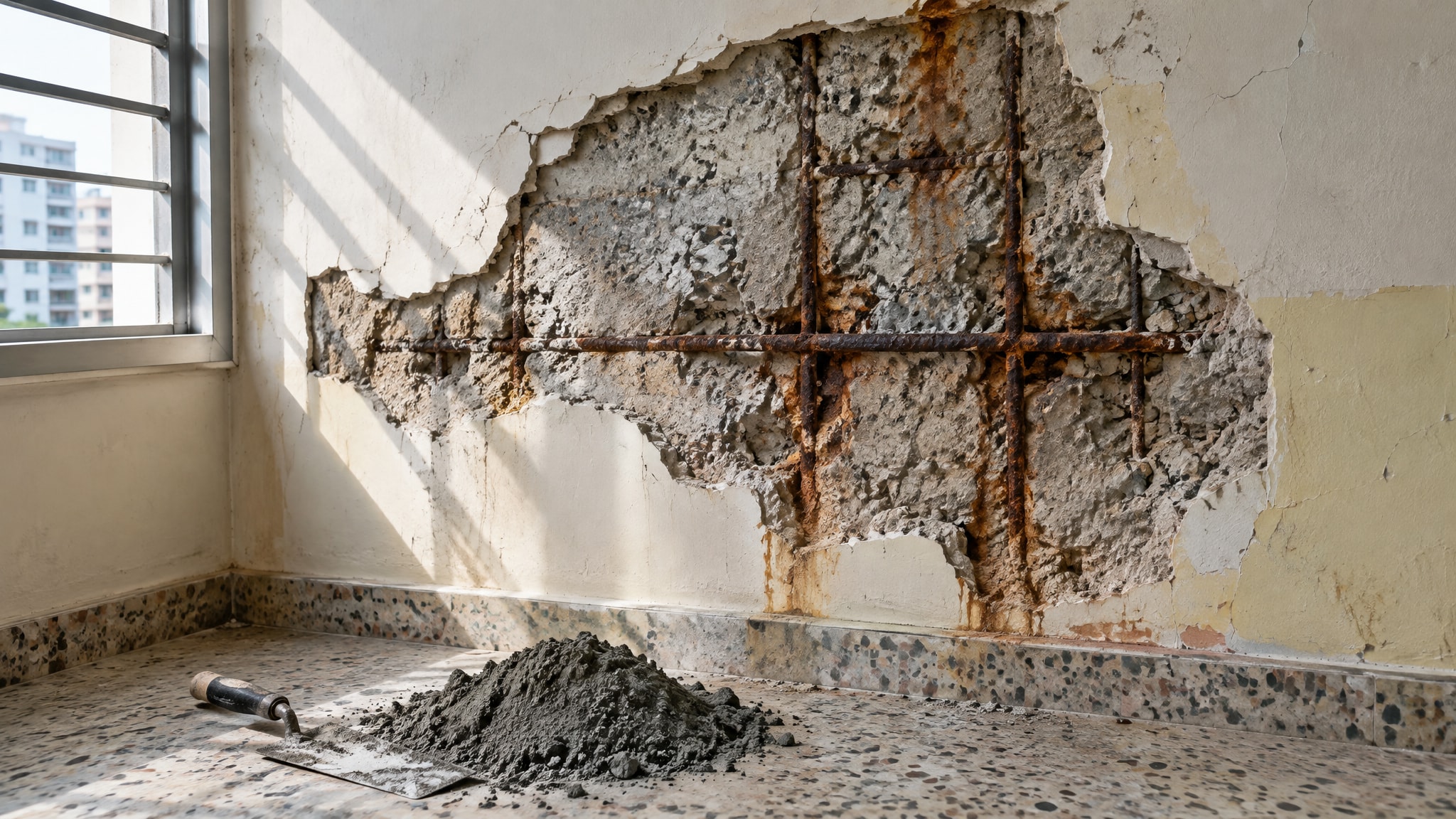
Skim coating does a much narrower job: it smooths, it doesn't restore. Skimming uses a thin layer of plaster, usually around 2–3mm, meant to smooth out minor imperfections on a surface that's already stable. That matters because skimming over spalling concrete just hides the problem for a while, and moisture keeps working on the rebar underneath.
The trade-off always comes down to durability versus looks. A proper ceiling finish comparison for HDB flats has to start with the substrate's condition, because no amount of surface smoothing makes up for structural failure underneath.
Thickness and Application Standards for Durable Ceiling Repair
Material thickness is what decides whether a ceiling repair survives Singapore's temperature swings and humidity. Thicker plaster spreads stress across a wider area, which stops the concentrated cracking that wrecks thin overlays when a building settles or expands with heat. Your ceiling needs enough mass to bridge small substrate movements without passing that stress straight through to the surface you see.
Standard thicknesses exist because decades of local building practice have shown what actually holds up in the tropics. A durable repair needs enough material to encase reinforcement mesh and lock mechanically into the existing concrete, thin compounds can't do that. When someone applies skim coat at double or triple its intended thickness to fill deeper voids, they're pushing the material past its limits, and it will fail early.
A thin layer only makes sense when the substrate is sound and the job is purely cosmetic. Go outside the manufacturer's thickness range and a finishing product turns into a patching compound that cracks within months.
When to Choose Full Re-Plastering Over Skim Coat
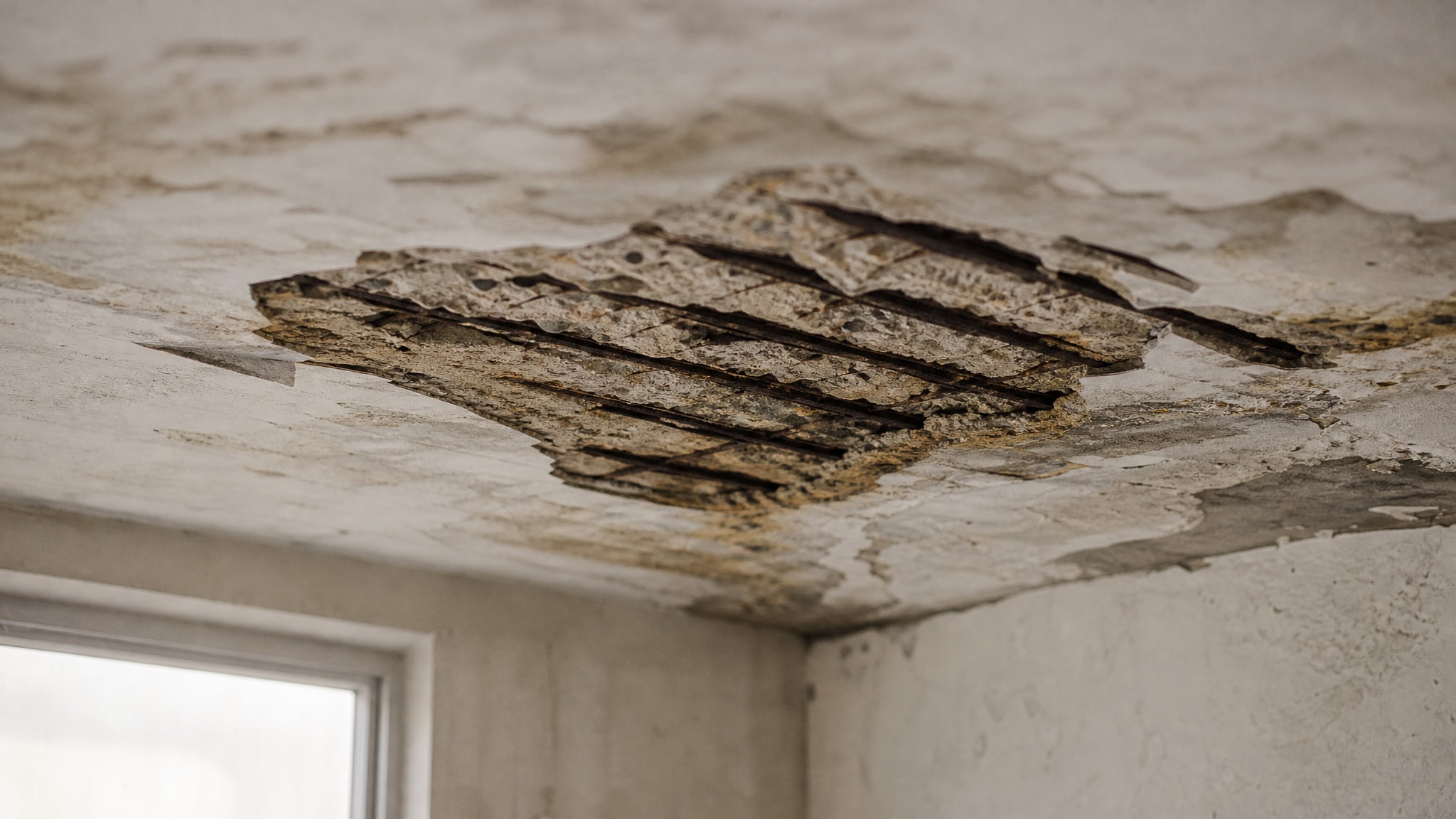
Some HDB ceiling conditions call for full re-plastering no matter the budget or the timeline. Active spalling concrete, rust staining from corroded rebar, dampness that persists despite waterproofing, and widespread mould all point to substrate failure that no cosmetic treatment fixes. If your ceiling shows signs your HDB needs a spalling concrete inspection, skimming over the damage wastes money and delays the structural work you actually need.
Full re-plastering becomes necessary once hacking reveals hollow-sounding areas covering more than 30% of the affected zone. Partial repairs on ceilings that delaminated that extensively leave weak joints where new material meets old. Water damage from an upper-floor leak also calls for complete removal and replacement, once the leak itself is fixed, because trapped moisture stops any overlay from bonding properly. Leng Painter specialises in HDB spalling concrete repair and mould ceiling treatment, dealing with the structural causes that cosmetic skimming can't touch.
Skim coat doesn't work whenever the substrate moves independently of the finish layer sitting on it. Choosing the cheaper option in these conditions almost guarantees callback costs that end up higher than proper re-plastering would have been from the start.
Cost Trade-Offs: Cheapest Ceiling Fix vs Long-Term Value
The price gap between plastering and skimming reflects real differences in labour, material volume, and how long the job takes. Skim coating is almost always the cheapest ceiling fix for HDB flats, but that lower price assumes the substrate underneath is in perfect condition, which is rarely true in older estates with a history of moisture problems. You only save money if the concrete underneath is genuinely stable, and that takes a professional assessment, not a guess.
Singapore's humidity speeds up the failure of inadequate repairs, so what looks like a saving today often turns into a repeat job within two to three years. Repeat skimming jobs add up fast once you count scaffolding, surface prep, painting and cleanup each time, costs that one proper re-plastering job would have absorbed just once. Our HDB ceiling hacking and re-plastering cost guide breaks down what a lasting repair actually costs against a temporary cosmetic one.
Long-term value has to account for how often the work disrupts your home, not just the invoice total. Paying twice, once for a failed skim coat and again for emergency patching, usually costs more than doing the job right the first time.
Common Installation Mistakes That Cause Ceiling Cracks
Bad installation causes more ceiling problems than bad materials or bad luck with the weather. The most common mistake is pushing skim coat past its 2–3mm range: the compound shrinks too much while curing and develops tension cracks when it's forced to fill gaps instead of just finishing a surface. One homeowner applied skim coat at roughly 8mm and got cracking, because the material was used well beyond what it's built for.
Skipping proper curing time between coats leaves weak planes where the next layer bonds poorly to material that hasn't set yet. Tight renovation timelines in HDB projects often squeeze these waiting periods, especially when painters show up before plasterers have let the moisture settle. General handymen often don't have the training to know when ambient humidity means curing needs to run longer, and that's exactly where callbacks come from, ones that specialist contractors avoid by sticking to the process.
Poor surface prep causes plenty of early failures even when thickness and timing are right. Dust, grease or loose particles stop proper adhesion no matter how good the material is, so thorough cleaning and priming aren't optional steps.
Deciding Between Mould Treatment and Full Ceiling Replacement
Surface mould on otherwise sound plaster responds to chemical treatment and better ventilation. No demolition needed. But mould growing through the paint from behind means moisture is trapped in the substrate itself, somewhere a topical cleaner can't reach, and it comes back after every treatment. The real question is whether the mould is just on the surface or a symptom of water getting into the structure.
Working through mould treatment versus full re-plastering decisions stops you spending money on repeat cleaning cycles that never touch the actual moisture problem. Plaster that's acting like a sponge for condensation needs to come off down to bare concrete so a waterproofing membrane can go in properly before anything new goes up. Leave the damaged material in place and you've built a reservoir for the next outbreak, no matter how well you clean the surface this time.
Moisture is the thing that decides every ceiling finish choice in Singapore's climate. Surface treatment only works once diagnostics confirm the substrate is dry, stable, and not still taking on water.
Getting an Accurate HDB Ceiling Repair Quotation
A fair quote, for either repair method, itemises substrate assessment, material spec, application thickness, curing time and warranty terms separately, rather than bundling it all into one vague number. You need that line-by-line breakdown to see whether a contractor is actually proposing cosmetic skimming or structural re-plastering, because some quotes dress up a weak solution in professional-sounding language. Comparing HDB ceiling contractor quotations properly stops you accepting a low bid that's quietly left out essential prep work.
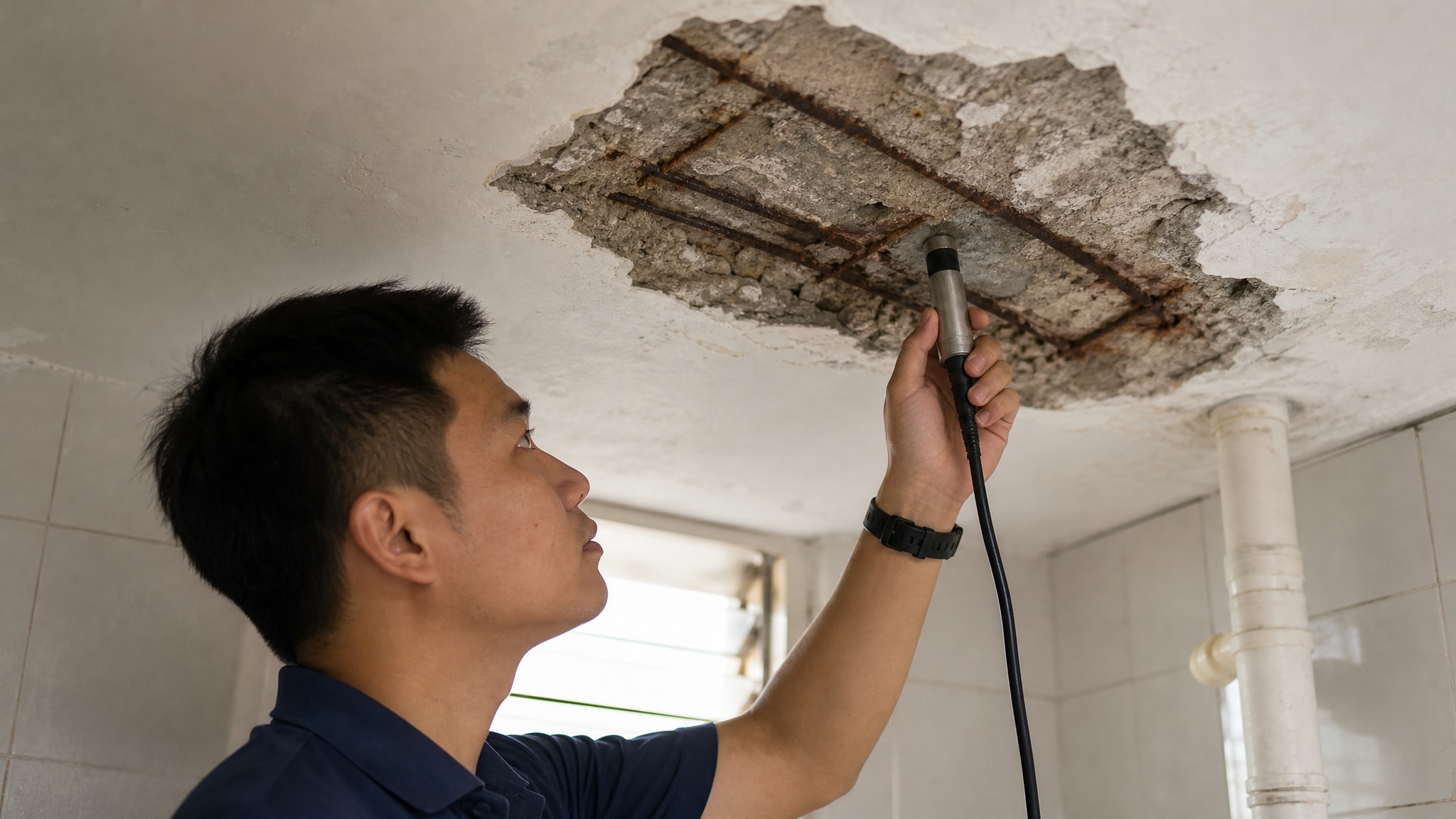
A site visit before quoting isn't optional if you want accurate pricing on HDB ceiling repairs that might involve structural damage. A contractor who quotes from photos or over the phone can't spot hidden delamination, rebar corrosion or a moisture source, and those are exactly the things that change the scope and the cost. Whether you need a contractor for skim coating or a specialist for full restoration comes down to what a hands-on inspection actually finds.
Get the diagnosis right and the price follows. Go with a cheaper cosmetic fix without checking the substrate first, and you're inviting change orders mid-project, or a repair that fails before you've finished paying for it.
Frequently Asked Questions
What is the functional difference between skim coating and plastering for HDB ceilings?
Plastering applies 6–20mm of material to rebuild damaged concrete substrates structurally, while skim coating adds only 2–3mm as a cosmetic smoothing layer over sound surfaces. Skim coat cannot restore structural integrity or stop active spalling, whereas full plastering replaces deteriorated material and addresses underlying reinforcement issues.
Why do some contractors still recommend plastering when skim coat seems cheaper?
Plastering remains necessary when substrate damage exceeds superficial imperfections, as thin skim layers fail prematurely over unstable concrete in humid HDB environments. The higher upfront cost prevents repeat repairs that ultimately exceed what proper re-plastering would have cost initially, making it the economically rational choice for damaged ceilings.
Can I skim coat over existing ceiling damage myself to save money?
DIY skimming fails frequently because homeowners apply the material too thickly to fill voids, violating its 2–3mm specification and causing shrinkage cracks. Professional assessment determines whether your ceiling qualifies for cosmetic treatment or requires structural repair, and attempting the wrong method yourself typically increases total repair costs through botched applications.
How do I know if my ceiling needs full replacement instead of surface treatment?
Visible rust staining, hollow sounds when tapped, active water seepage, or mould returning after cleaning all indicate substrate failure requiring full re-plastering rather than surface fixes. Only hands-on inspection by a specialist can confirm whether damage is cosmetic or structural, as photos alone miss hidden delamination and moisture pathways.
Comments